Pet-Friendly Flooring: What Actually Survives Dogs and Cats
August 11, 2026 · All About Floors NW
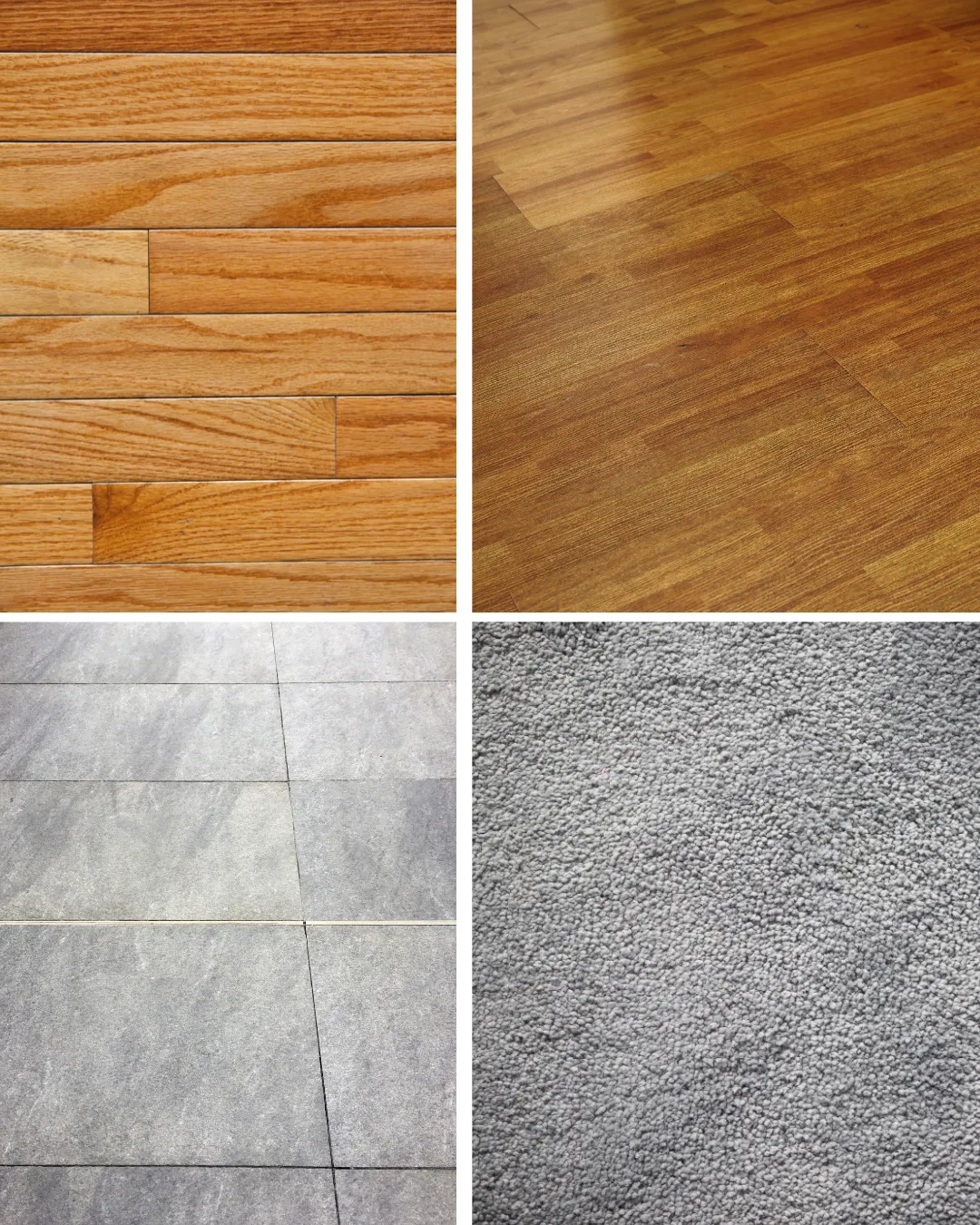
Everyone asks about scratches. Scratches are the least of it.
We have fitted a lot of floors for households with animals around Vancouver and Clark County, and the pattern is consistent: claw marks are the visible problem and the cheap one to fix. The expensive damage is moisture, and it happens where you cannot see it.
The three separate problems
Claws cause fine surface scratching, concentrated where a dog changes direction — the turn at the bottom of the stairs, the spot by the door where they wheel round when someone arrives.
Accidents are the serious one. Urine penetrates a finish and reaches the material underneath, where it stains and, given time, reaches the subfloor. On hardwood this is often past what sanding can remove.
Wet paws and drinking bowls are the constant, low-grade version. In this climate a dog comes in wet most of the winter, and that water lands in the same places every day.
A floor that handles all three is a different specification from a floor that just resists scratching.
What we recommend most
Luxury vinyl plank is our usual answer for a household with animals, because it is the only common product that is genuinely good at all three problems. A waterproof core means an accident found late is a cleanup rather than a repair. The wear layer handles claws well. And it is warmer and quieter underfoot than tile, which matters more than people expect in a house where a dog is lying on the floor all day.
Ask about wear layer thickness specifically. It is the number that separates a floor that looks fine in year eight from one that does not, and it is the spec most likely to be quietly downgraded in a cheap quote.
Tile is objectively the most durable option and effectively immune to everything on the list. The trade-offs are that it is cold and hard — an older dog with joint problems will avoid it — and grout needs sealing or it will absorb what gets spilled on it. Excellent for entryways and mudrooms, which in the Pacific Northwest take the worst of the wet-paw traffic.
Laminate deserves a mention because its wear layer is genuinely harder than most vinyl, so for scratch resistance specifically it performs very well. The problem is water: the core is wood fibre, and a puddle left long enough will swell it permanently. With a puppy, or an older animal, we would not put it in.
If you want hardwood anyway
Plenty of people do, and it is a reasonable choice made with open eyes.
The honest framing: hardwood is the only floor on this list that can be brought back. A vinyl floor that wears gets replaced. A hardwood floor that has taken ten years of dogs gets sanded and refinished and looks new again. That is a real argument, not a consolation.
Three things make it work:
Choose texture. A wire-brushed or hand-scraped surface hides new scratches remarkably well because the eye has existing texture to read instead. This is the single most effective choice available.
Choose a matte or satin sheen. Gloss reflects light uniformly, so every fine scratch interrupts it and shows. Matte scatters light and hides the same amount of wear.
Choose grain over hardness. Harder species dent less, and white oak and hickory both do well. But a busy, varied grain hides scratching better than hardness does — a very uniform floor shows every mark because nothing distracts from it.
Carpet, honestly
Standard carpet and pets is a bad combination, mostly because the pad underneath absorbs and holds anything that gets through.
Pet-specific carpet is a genuinely different product though. Solution-dyed fibres have the colour locked into the fibre itself, so aggressive cleaning cannot bleach it out, and a moisture-barrier backing stops liquid reaching the pad at all. In bedrooms, where you want softness and traffic is low, it works well.
We would still keep it out of entryways and hallways. Those are the wet-paw routes, and no carpet enjoys that.
The habits that matter more than the material
Nail trimming is the highest-value thing you can do and it costs nothing — a short nail spreads force, a long one concentrates it into a point.
Runners on the paths animals actually use, rather than where a rug looks right. Watch where your dog runs for a week and put the rug there.
And a mat and a towel at whichever door they come in through. In this climate that one habit prevents most of the water damage we get called about.
Working out what fits your house
Which animal, which rooms, how old, and how the household actually uses the space all change the answer. Our guide to the best flooring for the Pacific Northwest climate covers the moisture side in more depth, and waterproof flooring options covers what waterproof genuinely means.
Or book a free in-home estimate and we will bring samples to the house, meet the dog, and tell you honestly which of these will still look right in five years.
Related reading
Frequently asked questions
- What is the most scratch-resistant flooring?
- Tile is effectively scratch-proof, and among wood-look products, laminate's aluminium-oxide wear layer is genuinely harder than most vinyl wear layers. Luxury vinyl is close behind and adds waterproofing that laminate does not have, which is why it is usually our recommendation for households with pets.
- Is hardwood a bad idea with dogs?
- Not automatically. Most claw damage is in the finish rather than the wood, which means a screen and recoat brings the floor back without a full sanding. The bigger risk is accidents, because urine penetrates the finish and stains the wood beneath where sanding often cannot reach it.
- Does a textured or wire-brushed finish help?
- Considerably, and it is one of the more effective choices available. A surface that already has deliberate texture does not display new scratches the way a perfectly smooth, high-gloss one does. Matte and satin sheens hide wear far better than gloss for the same reason.
- What about carpet with pets?
- Solution-dyed fibres with a moisture-barrier backing are a genuinely different product from standard carpet and handle accidents far better, because the colour cannot be bleached out by cleaning and liquid cannot reach the pad. Bedrooms yes, entryways and hallways generally not.