Matte Finish Flooring in Vancouver, WA: Hardwood, LVP, Laminate and Tile Compared
November 2, 2026 · All About Floors NW
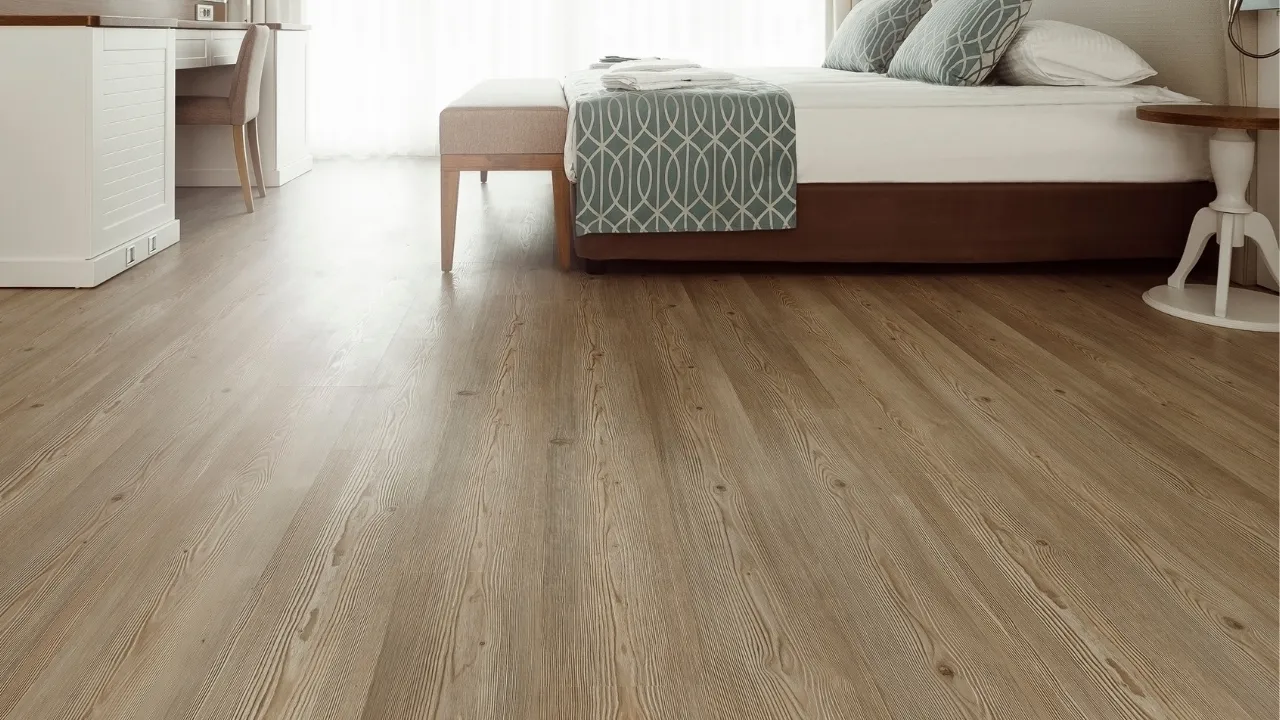
Ten years ago, a new floor was supposed to shine. Glossy hardwood, high-gloss laminate and polished tile were what “new” looked like. Today almost every floor we sell in Vancouver is matte or close to it, across every material: hardwood, engineered wood, luxury vinyl, laminate and porcelain tile.
There are good reasons for that, and a few things to know before you choose. This guide covers what matte actually means, how it works in each type of flooring, and when satin or polished is still the better pick.
If you’re choosing a sheen for a site-finished or refinished hardwood floor specifically, our guide to matte, satin and semi-gloss hardwood finishes goes deeper on that decision.
What “matte” means on a floor
Sheen is how much light a surface reflects. Finish makers measure it in gloss units, and each brand draws its own lines, but roughly:
- Matte (or “flat,” “ultra-matte,” “natural”): very low reflection. The floor looks close to unfinished wood or natural stone.
- Satin: a soft, low glow. The most common hardwood finish for years.
- Semi-gloss: noticeably shiny.
- Gloss and polished: mirror-like reflection.
Two products both labeled “matte” can look different, so always look at a real sample, not a photo.
On LVP, laminate and tile, sheen is built into the surface at the factory. On a site-finished hardwood floor, it comes from the clear top coat, which means it can be changed later.
Why matte has taken over
It hides scratches and wear. This is the big one. Sheen does not change how hard a finish is. What it changes is how visible damage is. A scratch on a glossy floor catches the light from across the room. The same scratch on a matte floor is nearly invisible. With dogs, kids and chairs, that difference shows up within weeks.
It hides dust, pet hair and footprints. Shiny floors show every dust bunny and paw print in raking light. Matte floors don’t.
It looks more natural. Matte wood looks like wood instead of a coating on wood. Matte LVP and laminate look much more like real hardwood than the shiny versions did. Matte porcelain looks like stone.
It suits Pacific Northwest light. For much of the year, Vancouver light is low, gray and comes in sideways through big windows. On a glossy floor, that creates glare and long reflections of every window. Matte softens it, so the room feels calmer and the floor color reads true.
It fits current design. Warm natural wood tones, white oak and textured surfaces are what most people are choosing right now, and all of them look best with a low sheen. See our guide to warm wood stain colors.
Matte in each type of flooring
Site-finished and refinished hardwood
When we finish a hardwood floor on site, whether it’s a new install or a refinish, you choose the sheen of the top coat. Matte water-based polyurethanes are the most popular choice we see. They dry clear, without the amber color of oil-based finishes, so natural and white oak looks stay light.
Some homeowners want an oiled or “raw wood” look, which matte finishes get closest to. Penetrating oil finishes give that look too, but they need more regular maintenance than a polyurethane.
The advantage of a site-finished floor is that sheen isn’t permanent. A screen and recoat can take a glossy floor down to matte without sanding to bare wood.
Prefinished engineered hardwood
Most engineered hardwood comes from the factory with a UV-cured finish, and most current lines are matte or very low sheen, often with a wire-brushed texture that brings out the grain. Factory finishes are very hard and consistent. Two things to know: the sheen is chosen when you choose the product, and if you recoat it later, the new finish has to be compatible with the factory finish. We check that before any recoat.
Luxury vinyl plank
LVP has a clear wear layer over a printed image of wood or stone. Older vinyl had a shiny, plastic-looking top. Today most lines have a low-gloss surface with texture embossed into it, and on better lines the texture follows the printed grain (often called embossed-in-register). Run your hand across the plank and you feel the grain where you see it. That’s a big part of why current LVP looks so much like hardwood.
Matte LVP is easy to live with. It hides scuffs and doesn’t show water spots. Our luxury vinyl plank installation guide covers what it needs underneath.
Laminate
Laminate has the same story. Current lines from the brands we carry, including Quick-Step, Mohawk and Shaw, are mostly low-gloss with realistic textures. Laminate’s hard wear layer already resists scratching better than vinyl, so a matte laminate is one of the most forgiving floors you can put down in a house with large dogs. See our laminate flooring guide.
Porcelain and ceramic tile
Tile comes in matte (sometimes called natural or honed-look), satin, and polished or glossy finishes.
- Matte tile is the practical choice for floors. It is usually less slippery when wet, hides water spots and dust, and looks like natural stone.
- Polished tile looks dramatic and bounces light around, but it is slicker when wet and shows every footprint, water spot and smear. It’s better for walls, backsplashes and low-traffic formal spaces.
For any tile floor in a bathroom, entry or laundry room, check the slip rating. Tile with a DCOF (dynamic coefficient of friction) of 0.42 or higher meets the common standard for level indoor floors that may get wet. Our tile installation guide and bathroom flooring guide have more.
Quick comparison
| Material | How the matte look is made | Can the sheen change later? | Watch for |
|---|---|---|---|
| Site-finished hardwood | Matte top coat | Yes, with a recoat or refinish | Oily cleaners leave streaks |
| Prefinished engineered | Factory UV-cured finish | Only with a compatible recoat | Choose sheen when you choose the product |
| LVP | Low-gloss textured wear layer | No | Rubber-backed mats can stain vinyl |
| Laminate | Low-gloss textured wear layer | No | Standing water on non-waterproof lines |
| Porcelain tile | Matte glaze or surface | No | Grout lines show dirt more than the tile |
Matte vs. satin: which to choose
Satin is the closest alternative, and it’s still a great choice. Here’s how we usually advise:
- Choose matte if you have dogs, young kids, a lot of foot traffic or big windows that rake light across the floor. It’s also the right choice if you want the most natural, raw-wood look.
- Choose satin if you want a little more glow and depth in the grain, especially on darker or richer stains, or if the floor is in a low-traffic room.
- Avoid gloss on floors in most homes. It’s beautiful for about a month.
On hardwood, you can also combine them: matte in the busy rooms, or matte everywhere with a satin recoat later if you want more shine.
Caring for a matte floor
Matte floors are easy to live with, with one catch: the wrong cleaner shows up as smears.
- Use the cleaner the manufacturer recommends for your floor type. Most are pH-neutral.
- Skip oil soaps, waxes and “shine” products. They leave a film that builds up and makes a matte floor look blotchy and greasy.
- Dry-mop or vacuum often. Grit is what scratches every finish. In our wet season, a good mat at each door does more than anything else.
- Use felt pads under chairs and furniture.
Our hardwood floor cleaning guide covers hardwood care in detail.
Matte finish flooring from All About Floors NW
We carry matte and low-sheen options in every category: engineered and solid hardwood, LVP from lines including COREtec, Mohawk, Shaw and Hallmark, laminate from Quick-Step, Mohawk and Shaw, and porcelain tile. We also refinish existing hardwood floors and can change a shiny floor to matte.
The fastest way to see the difference is side by side. Our showroom at 6700 NE 152nd Ave #140 in east Vancouver is open Monday through Friday, 9 to 6, with matte, satin and polished samples you can hold up to the window. Or book a free in-home estimate and we’ll bring samples to your home so you can see them in your own light.
See our hardwood flooring, hardwood refinishing, luxury vinyl plank, laminate and tile pages, or find your city on our service areas page, including hardwood in Vancouver, tile in Hazel Dell and LVP in Camas.
Or text (360) 525-2962 and tell us which rooms you’re doing.
Related reading
Frequently asked questions
- Is matte finish flooring a good choice?
- For most homes, yes. A matte finish reflects very little light, so scratches, scuffs, dust and pet hair are much harder to see than on a shiny floor. It also cuts glare from windows, which matters in Pacific Northwest homes where the light is low and gray for much of the year. The main trade-off is that matte shows oily smudges if it is cleaned with the wrong product.
- Is matte or satin better for hardwood floors?
- Both are good choices and both hide wear well. Matte looks the most natural, almost like raw wood, and hides the most. Satin has a soft glow that adds a little depth to the grain and is slightly easier to wipe clean. For homes with dogs, kids or a lot of foot traffic, matte is usually the more forgiving of the two.
- Does a matte finish scratch more easily than a glossy one?
- No. Sheen does not change how hard the finish is. A matte finish and a glossy finish from the same product line resist scratches the same way. The difference is that a scratch in a glossy surface catches the light and stands out, while the same scratch in matte is hard to see.
- Is matte tile slippery?
- Matte porcelain is generally less slippery than polished porcelain when wet, which is why it is the usual choice for bathroom floors, entries and laundry rooms. For a specific tile, check its DCOF slip rating. Tile rated at 0.42 or higher meets the common standard for level interior floors that may get wet.
- Can you get matte finish LVP and laminate?
- Yes. Most current luxury vinyl plank and laminate lines have a low-gloss or matte surface, often with a texture that follows the printed wood grain. That combination looks much closer to real wood than the shiny vinyl and laminate of 15 years ago.
- Can I change my glossy hardwood floor to matte?
- Usually, yes. Sheen comes from the top coat, so a screen and recoat with a matte finish can change a glossy floor that is otherwise in good shape. If the floor is worn through, stained or needs a color change, a full sand and refinish is the better route. Prefinished engineered floors with factory finishes need a compatible product, so check before recoating.