Flooring for Builders and Remodelers in Vancouver, WA: How We Work With the Trades
September 6, 2026 · All About Floors NW
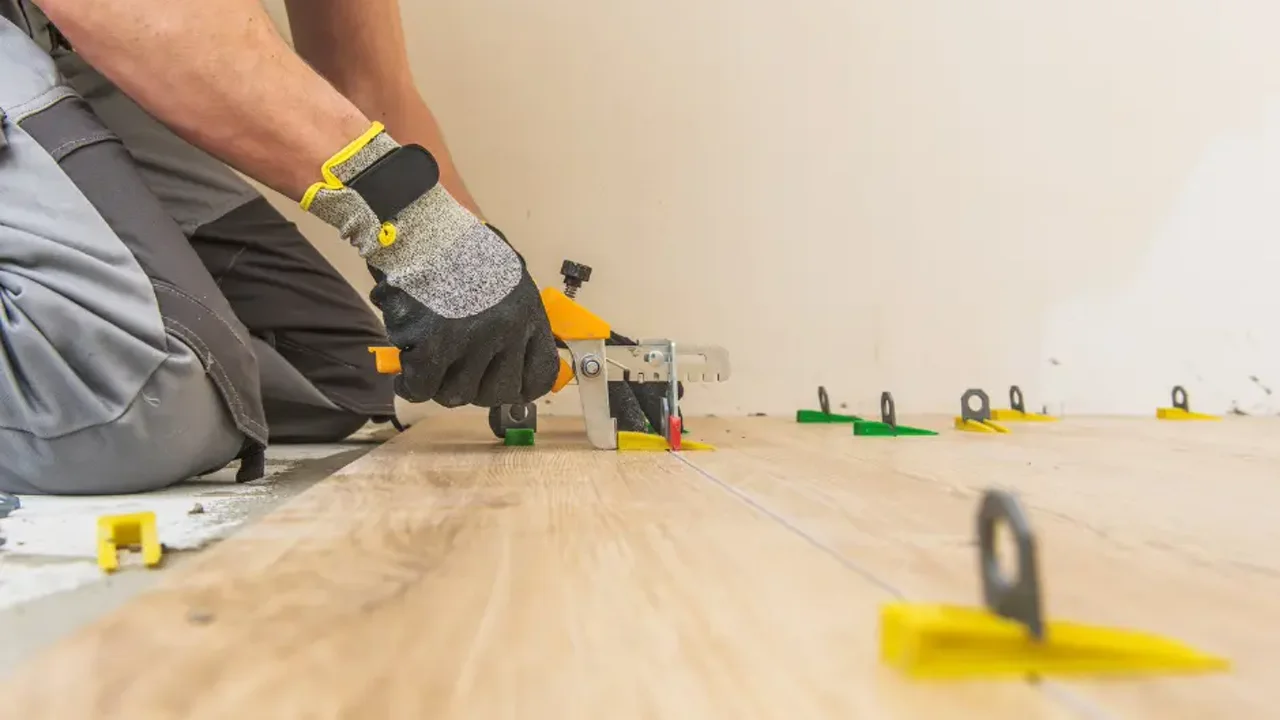
A meaningful part of our work in Clark County is not for homeowners. It is for the builders, general contractors and remodelers who put floors into the homes they are building, and who need a flooring partner that shows up on schedule, installs to spec, and does not generate callbacks.
If you build or remodel in Vancouver, Ridgefield, Battle Ground, Camas or across the Portland metro, this is how we work with you.
What builders actually need from a flooring subcontractor
It is not a big selection. Homeowners want selection. Builders want four things:
- Schedule reliability. Flooring sits near the end of the critical path, and a crew that shows up late holds up trim, paint touch-up, and the closing.
- Consistent product. The same floor, in the same color, in every unit of a phase, available for the whole phase.
- Clean installation with a short punch list. No hollow spots, no lippage, transitions that are level, and a jobsite left clean.
- Someone to handle the buyer’s upgrade conversation so the superintendent does not have to.
Everything below is in service of those four.
Allowances and upgrades
Most production and semi-custom builds specify a flooring allowance: a base-grade product in each area, priced into the home. The buyer can accept the base or pay the difference to upgrade.
Two things make allowances work well:
The base grade has to be a floor you are willing to warrant. A builder-grade LVP with a 6 mil wear layer will look tired inside the warranty period and generate calls. Setting the base at a 12 mil LVP or a properly padded carpet costs a little more per foot and removes most of the callbacks. Our vinyl buyer’s guide explains what the wear-layer spec means.
The upgrade path has to be easy for the buyer. We handle this directly: the buyer meets us, sees the base product and the upgrade options together, and gets a clear upgrade price. You get the selection sheet. Your super never has to explain the difference between engineered and solid hardwood.
For custom homes, the same logic applies without the allowance structure: we meet the client, help them select, and give you a firm installed price per area.
Sequencing and site conditions
Flooring goes wrong in new construction for one reason far more than any other: it went in before the building was ready.
The house has to be dry. Wood, laminate and even rigid-core vinyl react to moisture. In a new build, the framing lumber, the drywall mud, the paint and especially the concrete are all still releasing water. The interior needs to be closed in, with HVAC running and holding normal living temperature and humidity, before hard-surface flooring goes down.
New slabs need testing. Concrete releases moisture for months after the pour. Every hard-surface floor has a moisture limit from its manufacturer, and exceeding it voids the warranty and eventually lifts the floor. We test slabs before installation. If a slab is not ready, we tell you and we reschedule, because installing over a wet slab means doing the job twice.
Hardwood needs acclimation. Solid and engineered wood is delivered to the site and sits in the conditioned space for several days before installation so it reaches equilibrium with the house. That only works if the house is actually conditioned. Wood acclimated in a cold, damp shell moves after the heat comes on. Our guide to engineered vs. solid hardwood covers why engineered is usually the right call in the Pacific Northwest.
Order of operations. Hard surfaces after drywall, prime and first coat of paint; before final trim and final paint. Carpet last, after painters are out. Tile in wet areas can go earlier once the substrate is ready, but grout needs cure time before other trades walk on it.
Products that work in Clark County new construction
Luxury vinyl plank is the default main-level floor in new construction here, and for good reason: waterproof, fast to install, tolerant of the moisture swings a new home goes through in its first year, and available in consistent large quantities. Rigid-core product handles slab installations well. See our LVP page.
Engineered hardwood for the main level where the buyer wants real wood. Stable over slabs and radiant heat, and available prefinished for consistency across units. Solid hardwood belongs in custom work over a wood subfloor with a fully conditioned house.
Carpet in bedrooms and bonus rooms. The pad is where builder-grade carpet fails first; a proper pad spec removes most early complaints. See our carpet page.
Porcelain tile in bathrooms, laundry and mudrooms. Large-format tile needs a flat substrate, so the subfloor spec matters.
For multi-family and light commercial, our commercial flooring team handles phased installs and commercial-grade product.
Remodelers: working around occupied homes
Remodel work has its own demands, and we do a lot of it with general contractors across Vancouver and Portland.
- Sequencing with cabinets and countertops. Flooring under cabinets or up to them is a real decision with cost implications. We coordinate with your cabinet and countertop schedule so nobody is waiting.
- Tear-out and disposal. We remove and haul the old floor. If your crew has already done demo, we price accordingly.
- Matching existing floors. Extending hardwood into a new addition, or matching an existing LVP, is often possible and we will tell you when it is not.
- Occupied-home logistics. We phase installs room by room so the client stays in the house.
What we bring to the job
- Certified installation crews who install to manufacturer spec, which is what keeps the product warranty valid
- Moisture testing and subfloor assessment before install, documented
- A single point of contact for scheduling and changes
- Furniture handling on remodels, and jobsite cleanup on every job
- An installation warranty on our work, separate from the manufacturer’s product warranty. See our installation page
Where we work
Our showroom is in Vancouver, and our crews cover Clark County and the Portland metro. In growth areas like Ridgefield and Battle Ground we work on both new subdivisions and the wave of builder-grade replacement that follows them a few years later. Across the river, we serve Portland and Gresham.
How to get started
If you build or remodel and want a flooring partner rather than a supplier, contact us and tell us what you are working on: the type of build, the number of units or the scope of the remodel, and your timeline. We will set up a conversation around your specs and schedule.
For a specific project that needs a number, request an estimate and note that you are a contractor. We will come to the site, measure, test the substrate if it is ready, and give you an itemized price per area.
Related reading
Frequently asked questions
- Do you work with builders and general contractors in Vancouver, WA?
- Yes. We work with builders and remodelers across Clark County, from single custom homes to production subdivisions in growth areas like Ridgefield and Battle Ground. Tell us you are a builder when you get in touch and we will set the conversation up around your schedule and your specs rather than a homeowner estimate.
- When should flooring go in during a new build?
- After the building is closed in, drywall is finished and primed, and the HVAC has been running long enough for the interior to reach normal living conditions. Hard-surface flooring goes in before final paint and trim; carpet goes in last. Installing before the house is dry is the most common cause of hardwood and laminate failures in new construction.
- How do flooring allowances work?
- A builder sets a per-square-foot or per-room allowance in the contract for a base-grade floor. The buyer can take the base product or pay the difference for an upgrade. We help builders set allowances that produce a floor they are proud to warrant, and we walk buyers through upgrade options without the builder having to manage it.
- Can you install flooring on a new concrete slab?
- Yes, once it is dry enough. New concrete releases moisture for months, and every hard-surface floor has a moisture limit. We test the slab before installation and, if it is not ready, tell you rather than install something that will fail.