Vinyl Flooring in Vancouver, WA: A Complete Buyer's Guide
July 27, 2026 · All About Floors NW
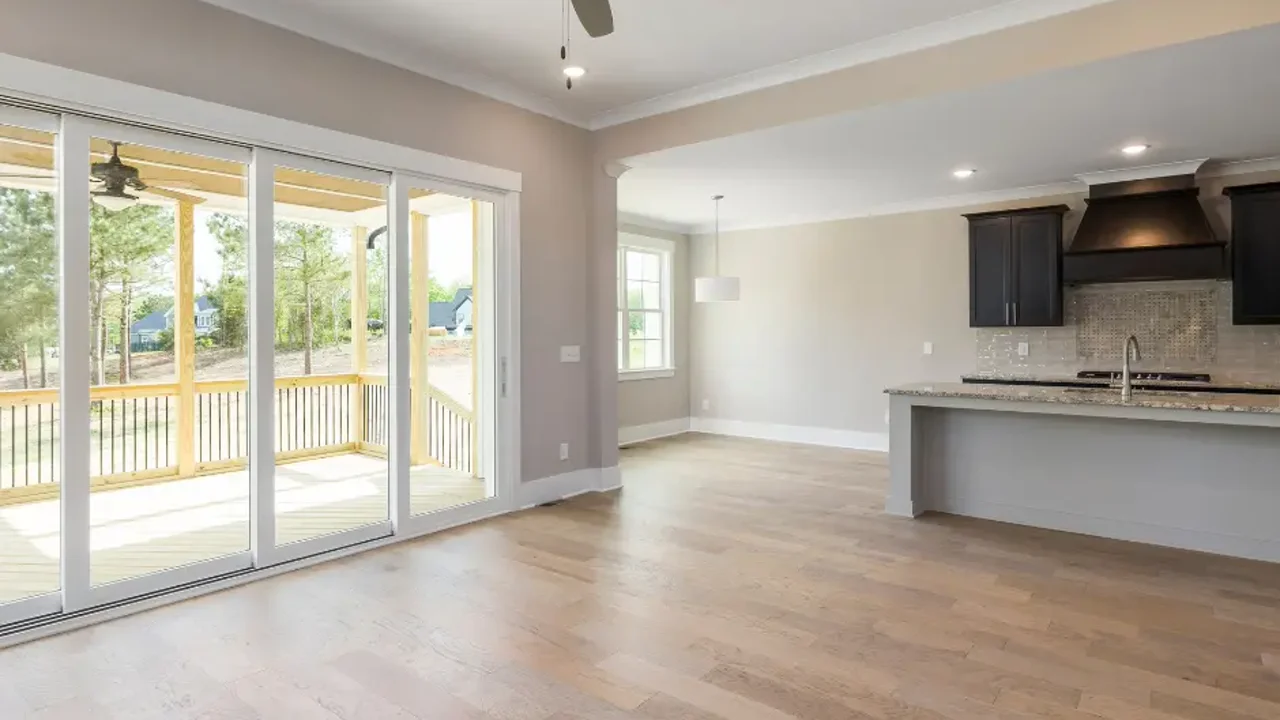
Vinyl has come a long way from the yellowing sheet goods people remember from a grandparent’s kitchen. Today it’s one of the most practical floors you can put in a Vancouver, WA home, and it’s the category we get asked about most often by homeowners who want something that looks good and doesn’t need babying.
Here’s an honest look at what vinyl flooring is, where it belongs, and how to compare products without getting lost in marketing terms.
The three types of vinyl
All vinyl shares the same basic advantage: a plastic-based core that doesn’t absorb water. Where the products differ is form and quality.
Sheet vinyl comes in wide rolls, so a typical room can be covered with few or no seams. That makes it the most water-resistant installation type available in this category, since there are barely any places for water to get through. It’s also the most affordable option. The trade-off is that it reads less realistic underfoot and at close range than the plank and tile products, and damage is harder to repair because you can’t just replace one piece.
Luxury vinyl plank (LVP) is the category that has taken over. Long planks, wood-look textures, and click-lock installation. The best of it is convincing enough that people ask if it’s real hardwood. It’s the default recommendation for most of the homes we work in.
Luxury vinyl tile (LVT) is the same technology in a square or rectangular format designed to mimic stone, slate, or ceramic. It gives you a tile look without the cold, the grout maintenance, or the hardness underfoot.
If you want to go deeper on plank specifically, our luxury vinyl plank page covers it, and our LVT guide covers the tile format.
Why vinyl makes sense in Clark County
Our climate is the main argument. We get long wet stretches, and that moisture comes into homes on boots, paws, umbrellas, and gear. Entryways, mudrooms, and laundry rooms in this area take more water than the same rooms would in a dry climate.
Wood-based floors, including laminate, have a core that can swell if water sits on a seam. Vinyl doesn’t have that vulnerability, because there’s no wood fiber in the core to absorb anything. For a Pacific Northwest home, that’s not a minor spec difference. It’s the reason vinyl keeps winning in the rooms that actually get wet.
Our guide to flooring for the Pacific Northwest climate puts this in context against the other options.
The one spec that actually matters: wear layer
If you take one thing away from this, make it this.
The wear layer is the clear protective coating on top of the printed design layer. It’s what stands between your floor and every chair leg, dog nail, and grain of grit tracked in from outside. Thicker wear layer means longer life before the floor starts looking worn.
This matters far more than brand, price, or how the sample looks in a showroom. Two planks that look identical can have very different wear layers, and they will not age the same way. A thin wear layer in a busy household with kids and dogs will scuff and dull within a few years. A thick one in the same house will still look good long after.
When you’re comparing products, ask for the wear layer thickness. If a salesperson can’t tell you, that tells you something.
Rigid core vs. flexible
Modern LVP and LVT mostly come with a rigid core, which is worth understanding because it solves a real problem.
Older flexible vinyl conformed to whatever was underneath it, so every imperfection in the subfloor showed through. Rigid core products are stiffer and bridge minor irregularities, which makes them more forgiving over an imperfect subfloor and more stable underfoot. They also tend to feel more substantial and quieter to walk on.
That said, rigid core isn’t a license to skip subfloor prep. Significant dips and humps still need addressing before installation, and our installation guide walks through what that involves.
Where vinyl belongs in a home
Excellent choices: kitchens, entryways, mudrooms, laundry rooms, bathrooms, basements, and any space where a pet spends serious time. Basements especially, since concrete slabs bring moisture from below that wood floors don’t handle well.
Good choices: living rooms, hallways, family rooms, and rental properties where durability and easy replacement matter.
Consider alternatives: formal spaces where you specifically want real wood, and rooms with heavy direct sun exposure, since intense sunlight over years can fade some vinyl products. If you want genuine hardwood in the dry rooms, our hardwood flooring guide covers species and finishes.
Plenty of homes we work in use a mix, with hardwood in the formal living areas and vinyl through the kitchen, entry, and utility spaces. That’s a sensible approach, not a compromise.
What vinyl doesn’t do
Being straight about the limits:
- It can’t be refinished. When a vinyl floor wears out, it gets replaced rather than sanded and renewed. Hardwood can be brought back multiple times over its life.
- It’s a manufactured product. If what you want is the character and resale story of real wood, vinyl isn’t that, however good the print is.
- Cheap vinyl looks cheap. The gap between entry-level and quality product in this category is large and visible.
- Heavy furniture and appliances can dent softer products, and sharp grit is the main scratching culprit, so entry mats do real work.
Living with it
Vinyl is genuinely low-maintenance, which is much of the appeal. Sweep or vacuum regularly to keep grit off the surface, damp mop with a cleaner suited to vinyl, and skip abrasive scrubbers and steam mops, since steam can work its way into seams. Felt pads under furniture legs and mats at exterior doors handle most of what would otherwise cause wear.
Come see it in person
Vinyl is a category where samples in your own light matter, because print quality and texture vary a lot between products and photographs flatter everything. We serve Vancouver, Camas, Battle Ground, Ridgefield, and the surrounding Clark County communities.
Visit our vinyl flooring page for the full product range, or book a free estimate and we’ll bring samples to your home so you can see them against your own cabinets and light.
Related reading
Frequently asked questions
- Is vinyl flooring a good choice for the Pacific Northwest?
- It's one of the best choices for our climate. Vinyl has a plastic-based core that doesn't absorb water, swell, or warp the way wood-based floors can. In a region with wet winters, muddy entryways, and homes that see a lot of moisture tracked in, that moisture tolerance is a real practical advantage.
- What's the difference between vinyl, LVP, and LVT?
- They're all vinyl. Sheet vinyl comes in wide rolls with almost no seams. Luxury vinyl plank (LVP) comes in long planks that look like wood. Luxury vinyl tile (LVT) comes in squares or rectangles that look like stone or ceramic. The 'luxury' lines are thicker and more realistic than traditional sheet vinyl.
- How long does vinyl flooring last?
- It depends almost entirely on the wear layer thickness and how much traffic the floor sees. A thicker wear layer resists scratching and scuffing far longer than a thin one. This is the single most useful spec to compare when you're shopping, and it matters more than brand name or price.
- Can vinyl flooring be installed over existing floors?
- Often yes, which is one of its advantages. Vinyl can frequently go over existing hard surfaces if they're flat, sound, and clean. The subfloor still has to be assessed first, because any dips, humps, or texture underneath can telegraph through, especially with thinner products.
- Is vinyl flooring waterproof or just water-resistant?
- The plank or sheet itself is waterproof in most modern vinyl products, meaning water won't damage the material. But on a floating floor, standing water can still get through seams and reach the subfloor underneath. Wipe up spills promptly, and use fully sealed assemblies or tile in genuinely wet zones like shower surrounds.