Flooring Deals in Vancouver, WA: How Sales, Closeouts and Remnants Really Work
September 6, 2026 · All About Floors NW
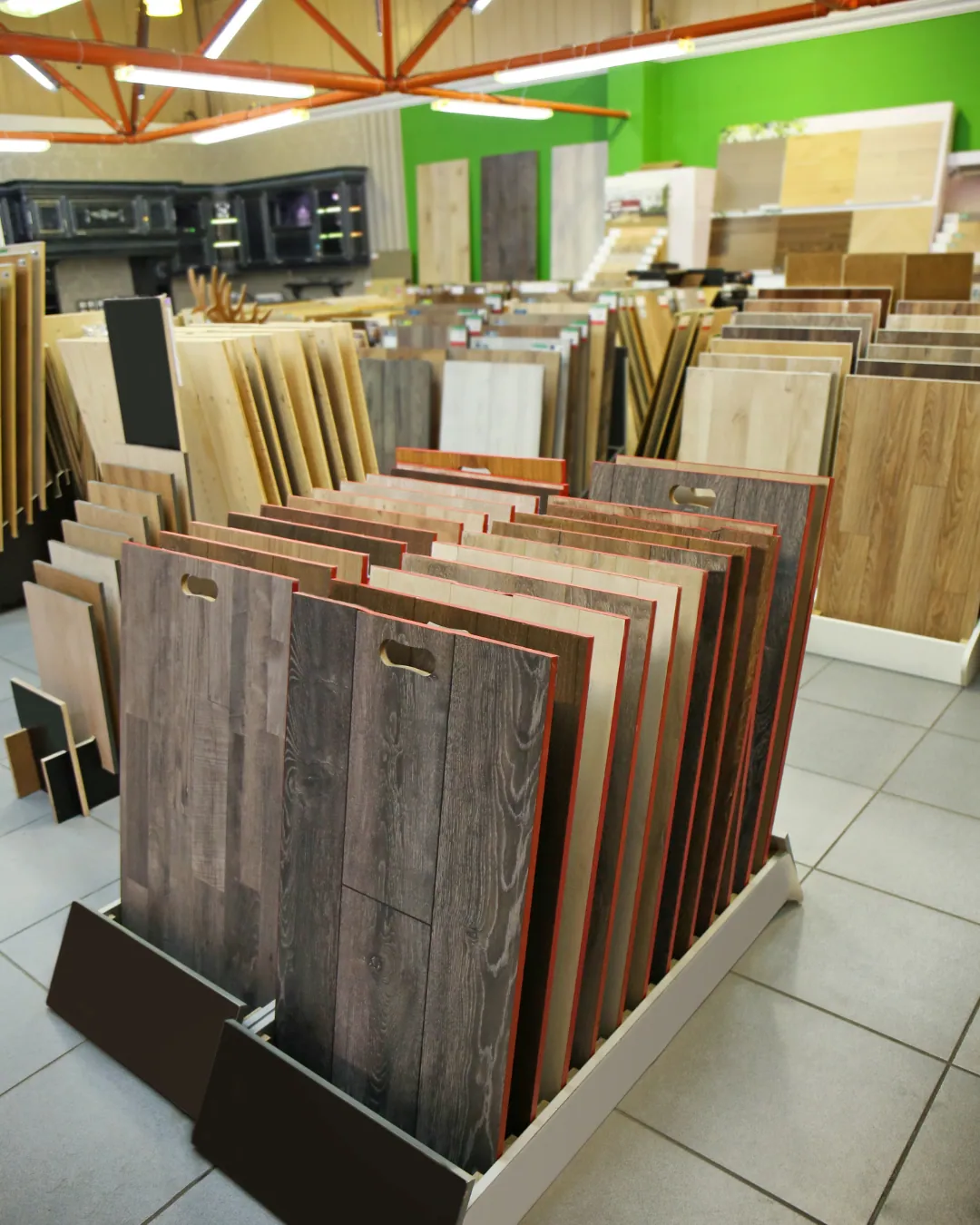
Every flooring store in Vancouver runs sales. Some of them are real. This is a guide to telling the difference, because a genuine flooring deal can save you a meaningful amount of money and a fake one costs you more than paying full price somewhere honest.
We will show you how the discounts actually work from the inside.
Where real discounts come from
There are only a few ways a floor becomes cheaper, and they all come from somewhere specific.
Manufacturer promotions. The big mills, Mohawk and Shaw among the brands we carry, run national promotions a few times a year. These are real: the manufacturer funds a rebate or a price reduction on specific collections for a fixed window, and the store passes it on. Spring and late fall are the usual seasons.
Closeouts and discontinued lines. When a manufacturer retires a color or a collection, the remaining stock has to move. It is the same product it was last month, at a genuine discount. This is often the best value in the store, with one caveat we cover below.
Remnants. Carpet comes on twelve-foot-wide rolls, and every job leaves an end piece. Remnants are sold well below roll price because they are odd sizes. For a bedroom, hallway, stairs or a basement room, a remnant is the same carpet for a lot less.
Volume and timing. A store with slow weeks on the install calendar will sometimes sharpen a price to fill them. Late winter is the classic quiet stretch in Clark County.
Everything else, including “50% off” banners that never come down, is arithmetic rather than a discount.
How to read a sale price
The number that matters is not the price per square foot on the sign. It is the complete installed cost for your actual job, and a sale can move one part of that number while quietly raising another.
A proper quote itemizes:
- Material, with the exact product name and quantity including waste
- Pad or underlayment, with the spec
- Tear-out and disposal of the old floor
- Subfloor prep, or a stated allowance for it
- Trim, transitions and stair parts
- Labor
- Furniture moving
Put two quotes side by side at that level and a “sale” that shaved the material price but doubled the pad and added a disposal fee is easy to spot. Our guide to what flooring costs in Vancouver explains what each line should look like.
The “free installation” question
Free installation is the most common flooring promotion in the country, and it works the same way everywhere: the labor is built into the material price.
That does not make it a bad deal. It makes it a total-price deal that you have to evaluate as a total. Two things to check:
- What is excluded from “installation.” Often tear-out, pad, subfloor prep, stairs and transitions are extra. Those can add up to more than the labor that was “free.”
- Is the material price competitive on its own. If the same product is available elsewhere for meaningfully less and the labor quoted separately is reasonable, the “free” version is more expensive.
Ask for the itemized version. A store that will not give it to you is telling you something.
Closeouts: the best deal with one rule
Discontinued lines are where we would spend our own money. The product is unchanged, the discount is real, and the store is motivated.
The one rule: buy everything you will ever need, now. Once the line is gone there is no reordering. That means:
- Enough for the whole project in one purchase, so you are not matching dye lots later
- An extra 10% or so held back for repairs, which is worth more on a closeout than on any other product because it cannot be replaced
- A clear head about whether the remaining quantity actually covers your square footage with waste. A closeout that is thirty feet short is not a closeout, it is a problem
If you are planning to do the house in phases, a closeout is the wrong product. Read the in-stock vs. phased purchase argument in our budget guide.
Remnants: right for some rooms, wrong for others
A carpet remnant is not a lesser product. It is the end of a roll. The math is simple: if the piece is bigger than your room in both directions, you have a full-price carpet at a fraction of the cost.
Where remnants work:
- Bedrooms, especially smaller ones
- Closets and walk-ins
- Stair runs (a long, narrow piece is ideal)
- Basement rooms and home offices
Where they do not:
- Large living areas that would need a seam in the middle of the room
- Whole-house projects where every room should match
Ask what is in the remnant rack when you visit the showroom. It changes weekly.
”Cheap flooring” is not the same as a deal
This is the distinction that matters most, and it is where people lose money.
A deal is a good product at a lower price. Cheap flooring is a lesser product at a low price. The difference is in the specs: a luxury vinyl plank with a 6 mil wear layer looks the same as one with a 20 mil wear layer in the box and costs half as much. It also looks tired in three years, at which point you buy a floor again.
The specs that decide whether a low price is a deal:
- LVP: wear layer thickness. 12 mil is the sensible minimum for a home, 20 mil for pets and heavy traffic. See our vinyl buyer’s guide.
- Carpet: fiber type and face weight, and above all the pad. A great carpet on a cheap pad fails early. See choosing carpet in Vancouver.
- Laminate: AC rating and core water resistance. See laminate in Vancouver.
- Hardwood: wear layer thickness on engineered product, and the finish system.
If a sale price is on a product that meets those specs, it is a deal. If the specs are missing from the label, that is why it is cheap.
Timing your purchase
If your project is flexible, timing helps.
- January to early March is the quietest install season in Clark County. Crews have room, and stores are more willing to move on price.
- Spring brings the biggest manufacturer promotions, timed to the home-improvement season.
- Late fall brings the second round, aimed at people who want floors done before the holidays. Book early; the calendar fills.
- Right after a manufacturer refreshes a collection is when closeouts appear. Ask what is being discontinued.
Financing promotions run on their own calendar. If a 0% offer is part of what makes the project work, our guide to financing new floors in Vancouver explains how to use it without paying deferred interest.
How to actually get the best price from us
We are not going to pretend we have a secret discount code. What we will tell you is how to get the most for your money at our store or anyone else’s:
- Tell us your budget. We will show you what genuinely fits it rather than upselling and then discounting.
- Ask what is on promotion and what is being closed out. Right now, today.
- Be flexible on color if you want a closeout or a remnant. The deals are on what is left, not on what is newest.
- Book in the quiet season if you can.
- Get the itemized quote and compare it at that level.
A free in-home estimate is still the fastest way to a real number, because the price depends on your subfloor, your stairs and your square footage as much as on the product. We measure, we bring the current promotions with us, and we put it all on one page.
Related reading
- New floors on a budget: where to save and where not to
- How much does flooring cost in Vancouver, WA?
- How to choose a flooring store in Vancouver, WA
- Financing new floors in Vancouver, WA
Want to see what is on the remnant rack and what is being closed out this month? Visit the showroom or book an in-home estimate and we will bring the current deals with us.
Frequently asked questions
- When is the best time of year to buy flooring?
- Late winter and the weeks after major holidays are typically the quietest for installers, and manufacturers run their biggest promotions in spring and late fall. If your project is flexible, ask what is being promoted and whether any lines are being closed out; that combination is where the real savings are.
- Is 'free installation' a real deal?
- Installation is never free; the labor is priced into the material. A 'free install' offer can still be a good total price, but the only way to know is to compare the complete installed cost including pad or underlayment, subfloor prep, trim, tear-out and disposal against another itemized quote for the same job.
- What is a flooring closeout and is it a good buy?
- A closeout is a line the manufacturer or store is discontinuing, sold at a real discount to clear it. It is often the best value in the building. The tradeoff is that you cannot get more later, so order extra for repairs and make sure there is enough for your whole project in one dye lot.
- Are carpet remnants worth it?
- For a bedroom, a closet, a stair run or a basement, absolutely. Remnants are end-of-roll pieces sold well below the roll price, and it is the same carpet. The constraint is size: you need a piece large enough to cover the room without a seam in a visible spot.