Laminate Flooring in Vancouver, WA: Is It Still Worth It?
July 27, 2026 · All About Floors NW
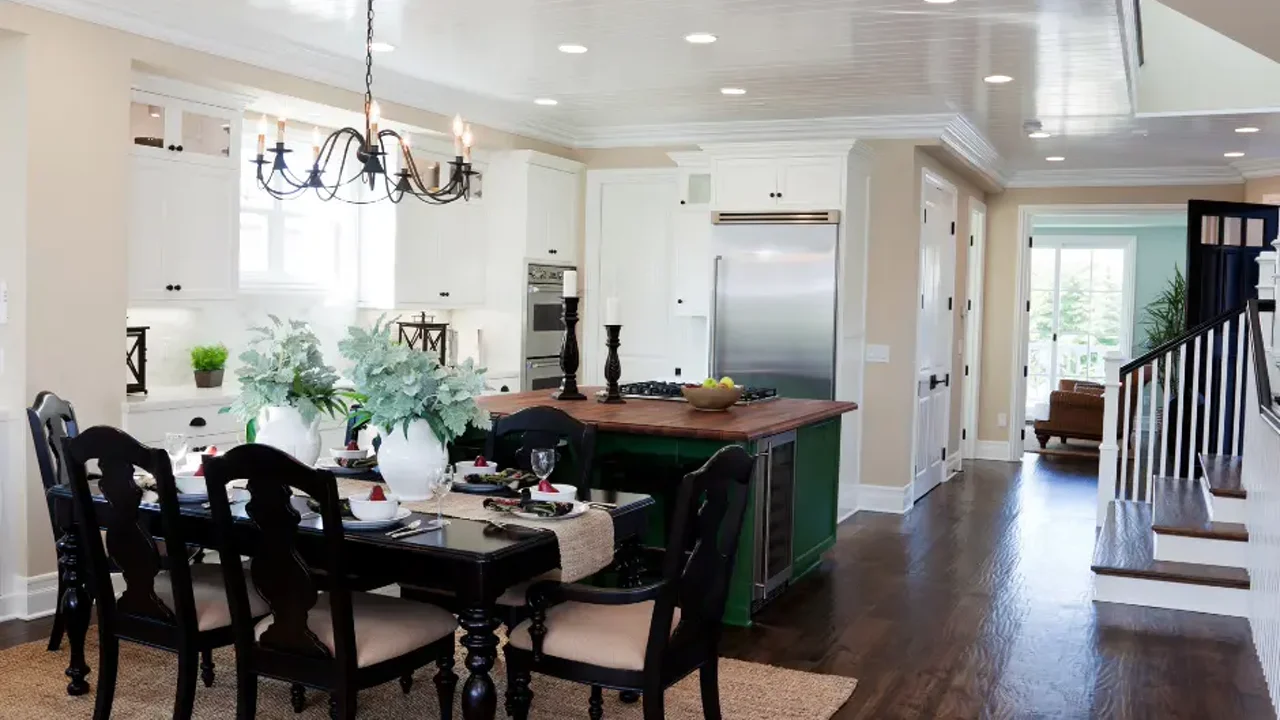
Laminate has an image problem, and it’s mostly out of date. The product people remember from twenty years ago, obviously fake wood grain, plasticky sheen, and a floor that was ruined the first time a dog bowl tipped over, isn’t what’s on the market now.
Modern laminate is a genuinely good floor with one real limitation. Here’s an honest assessment for Vancouver, WA homeowners.
What laminate actually is
Laminate is a wood-fiber core, usually high-density fiberboard, with a photographic design layer on top and a tough clear wear coating over that. It’s a wood-based product wearing a printed image of wood.
The two things that have changed are the print and the surface. High-resolution printing with varied plank images and embossed texture that follows the grain has made good laminate genuinely convincing. And the wear layers are hard, which is where laminate’s real strength lies.
Laminate’s actual advantage: surface hardness
This is the part that gets lost in the laminate-versus-vinyl conversation.
Laminate typically has a harder, more scratch-resistant surface than luxury vinyl plank. If your primary concern is dog nails, dragged furniture, and grit tracked in from outside scratching the floor, laminate often outperforms LVP on that specific measure.
It also tends to feel more like wood underfoot. It’s firmer and less yielding than vinyl, which some people prefer and some don’t, and quality laminate with good texture reads convincingly at normal walking distance.
For a household whose main worry is scratching rather than flooding, laminate deserves a serious look. Our LVP vs. laminate comparison puts them head to head.
The limitation, stated plainly
The core is wood fiber. Wood fiber absorbs water and swells, and swelling is not reversible. A swollen plank edge stays swollen.
Water-resistant laminate lines have improved this substantially with better core treatment and tighter joint sealing, and they handle normal life, spills wiped up promptly, damp mopping, a dropped glass of water, without trouble. What they don’t handle is water that sits, or water that gets underneath and stays there. A dishwasher leak that goes unnoticed for a day is a very different event on laminate than on vinyl.
In the Pacific Northwest, this matters more than it would in a dry climate. Our entryways and mudrooms take standing water from October through spring, and that’s the specific scenario laminate is worst at.
Where laminate makes sense in a Vancouver home
Good fits: bedrooms, living rooms, family rooms, hallways, home offices, stairs, and any dry space with real traffic. Essentially, everywhere in the house that doesn’t get wet.
Poor fits: bathrooms, laundry rooms, mudrooms, entryways that take direct weather, and basements. For those rooms, our vinyl flooring guide or tile is the better direction.
A mixed approach works well and is what many of the homes we work in end up doing: laminate through the dry living space, something waterproof in the wet rooms. That’s a smart specification, not a compromise.
How to shop for it
Abrasion rating. Laminate is rated for wear resistance, and the ratings are meaningful. Higher ratings suit heavier traffic. Buying a light-duty product for a busy hallway is a false economy.
Thickness. Thicker planks feel more solid, sound less hollow, and lock together more securely. Thin laminate is where the cheap reputation comes from.
Water-resistance rating. If you’re buying laminate at all, buy a water-resistant line. The premium is modest and it meaningfully widens where the floor can survive.
Underlayment. This is where people economize and shouldn’t. The pad underneath affects sound, feel, and moisture protection. A good underlayment is what separates a laminate floor that feels solid from one that clicks and echoes. Over concrete, a moisture barrier is essential.
Texture and plank variety. Look at how many unique plank images a product uses. Cheap laminate repeats the same few boards visibly across a floor. Embossed-in-register texture, where the surface texture aligns with the printed grain, is the detail that makes laminate look real up close.
Installation is its strong suit
Laminate is a floating floor. The planks lock to each other and rest on underlayment rather than being nailed or glued to the subfloor. That makes installation faster and cleaner than most alternatives, and it means the floor can usually be walked on immediately.
It also means the subfloor still has to be flat. Floating floors bridge minor variation but telegraph significant dips and humps, and an uneven subfloor causes joints to flex and eventually separate. Expansion gaps at the perimeter are essential too, since the floor needs room to move seasonally and covering that gap with trim is what makes it invisible. Our installation guide covers the process.
Living with laminate
Sweep or vacuum regularly, since grit is what does the scratching. Damp mop rather than wet mop, and never let water pool. Skip steam mops entirely, because forcing moisture into a wood-fiber core is exactly the wrong thing to do. Felt pads under furniture and mats at exterior doors do most of the preventive work.
Keep a few spare planks from your installation. If a plank ever gets damaged, having matching material from the same run is the difference between an invisible repair and an obvious one.
Worth a look in person
Laminate has improved enough that the reasonable move is to see current product rather than judge from memory. The difference between entry-level and quality laminate is obvious side by side and hard to convey in photos.
We serve Vancouver, Camas, Ridgefield, Brush Prairie, and communities across Clark County. Browse our laminate flooring page, or book a free estimate and we’ll bring samples to your home and tell you honestly which rooms it suits.
Related reading
Frequently asked questions
- Is laminate flooring waterproof?
- Traditional laminate is not. It has a wood-fiber core that can swell if water sits on a seam. Modern water-resistant laminate is significantly improved and handles spills that are cleaned up promptly, but the core is still wood-based. For rooms that get genuinely wet, vinyl or tile is the safer choice.
- Is laminate better than luxury vinyl plank?
- Each wins on different points. Laminate typically has a harder, more scratch-resistant surface and often feels more like real wood underfoot. LVP is fully waterproof and better in moisture-prone rooms. In a wet climate the moisture question usually decides it, but for dry living areas and bedrooms laminate is very competitive.
- How long does laminate flooring last?
- It depends on the abrasion rating and the traffic it sees. A higher-rated product in a normal household lasts many years looking good. The thing that actually ends most laminate floors early isn't wear, it's water damage from a spill or leak that wasn't caught quickly.
- Can laminate flooring be refinished?
- No. The surface is a printed design layer under a wear coating, not real wood, so there's nothing to sand. When laminate wears out or gets damaged it's replaced. Individual planks can sometimes be swapped out if the damage is localized and you kept spare material.
- Does laminate flooring sound hollow?
- It can, because it's a floating floor with air space beneath. A quality underlayment makes a substantial difference, as does a thicker plank. Cheap laminate over a thin pad over a hard subfloor is where the hollow, clicky sound comes from, and it's largely avoidable by spending a bit more on the underlayment.