Carpet in Vancouver, WA: Choosing Fiber, Pile & Pad
July 27, 2026 · All About Floors NW
Hard surface flooring has taken over most of the house over the last decade, and for good reasons we’ve written about at length. But carpet hasn’t gone anywhere, and there are rooms where it’s still clearly the right answer.
If you’re putting carpet in a Vancouver, WA home, here’s how to choose well.
Where carpet still wins
Bedrooms. Warm underfoot on a cold morning, quiet, and soft. This is carpet’s strongest case and the room where even committed hard-surface households often keep it.
Stairs. Safety is the practical argument. Carpeted stairs provide grip and reduce the consequence of a slip, and they dramatically cut the noise of people going up and down. Hardwood stairs look beautiful and are considerably less forgiving.
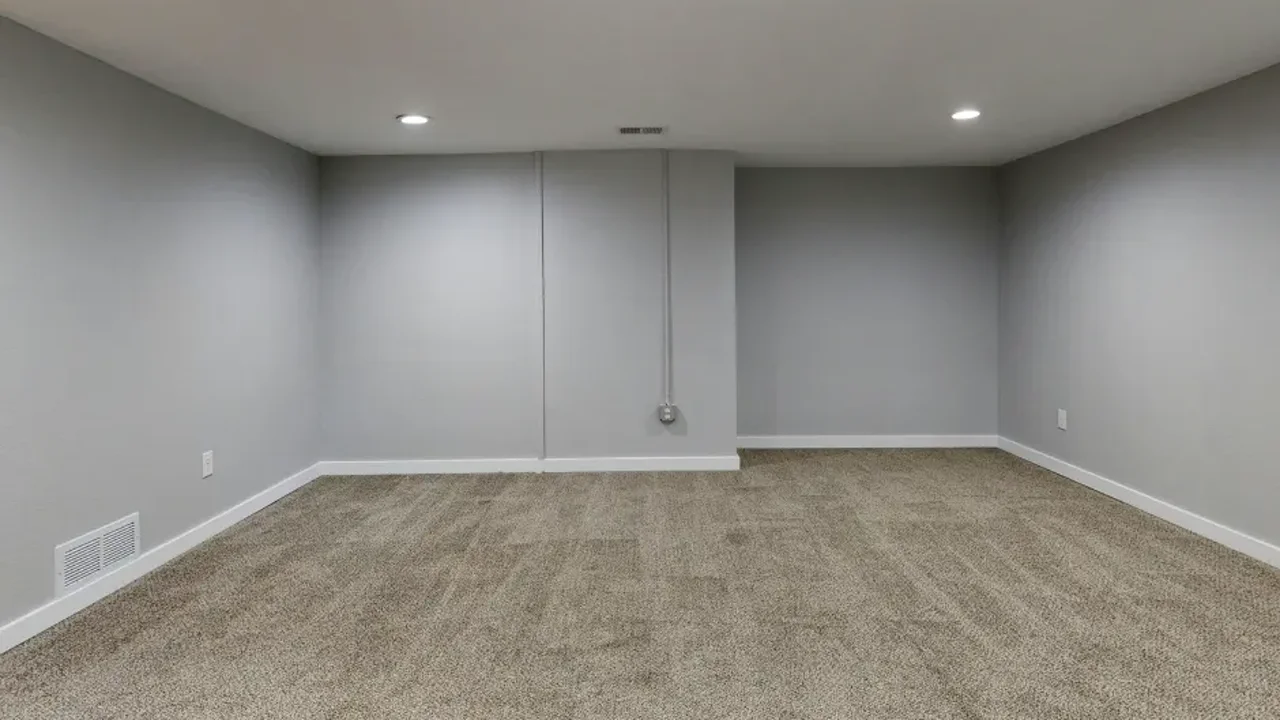
Media rooms and basements. Acoustics. Carpet absorbs sound instead of reflecting it, which is why a home theater on hard surface sounds harsh. In a basement, it also addresses the cold-concrete problem directly.
Kids’ rooms and play areas. Falling on carpet is different from falling on tile.
Any room that feels too loud. A home that’s gone entirely to hard surface often sounds echoey, and homeowners frequently don’t diagnose why. Carpet, or even large rugs, is the fix.
Fiber: the decision that drives everything
Nylon is the most resilient common carpet fiber. Resilience means the fibers spring back after being compressed rather than staying crushed, which is exactly what determines whether a traffic path through your living room turns into a visible track. It costs more and it earns it in areas that see real use. For stairs and busy rooms, nylon is the sensible specification.
Polyester is naturally stain-resistant because the fiber itself doesn’t absorb liquids readily, and it’s often softer and less expensive than nylon. Its weakness is resilience: it mats down sooner under sustained traffic. In a bedroom or a guest room that sees light use, that’s a fine trade. In a hallway, less so.
Triexta is a newer fiber that combines good stain resistance with better resilience than polyester, and it’s worth asking about.
Wool is the premium natural option, with excellent resilience, natural stain and soil resistance, and a look and feel that synthetics approximate but don’t match. It costs accordingly and needs more careful cleaning.
Pile style changes the look and the wear
Cut pile has the fiber tips cut open, giving a soft, plush surface. Plush and Saxony are smooth and formal and show footprints and vacuum marks, which some people love and some find maddening. Frieze, with tightly twisted fibers, hides footprints and traffic better than nearly anything else and is the practical choice for busy homes.
Loop pile leaves the fiber loops intact. Berber is the familiar version, durable and good at hiding soil, with the caveat that a snagged loop can run. If you have cats, loop pile is worth thinking twice about.
Cut-and-loop combines both to create pattern and texture, which is very effective at disguising soil and wear.
The most useful practical rule: texture hides life. A smooth plush carpet shows every footprint and every vacuum stripe. A frieze or a patterned cut-and-loop hides an enormous amount.
The pad is not an accessory
This is where homeowners economize and it’s the wrong place.
The pad absorbs the impact of every footstep. Without adequate cushion underneath, that impact goes straight into the carpet fibers and crushes them, and crushed fibers are what makes a carpet look old. Quality carpet on a cheap pad wears out meaningfully faster than the same carpet on a good one, which means saving money on pad costs you money on carpet.
The pad also determines how the floor feels and how quiet it is. Two identical carpets on different pads feel like different products. And on stairs, denser pad matters more than thicker pad, because too much thickness on a stair tread is actually unsafe.
If the budget is tight, buy a slightly less expensive carpet on a good pad rather than the reverse.
Carpet in a wet climate
A practical Pacific Northwest consideration: carpet and standing water are a bad combination, and unlike hard surface, carpet that gets soaked is genuinely difficult to dry properly. Padding holds moisture, and what’s underneath doesn’t get air.
The implication is straightforward. Keep carpet out of entryways, mudrooms, bathrooms, and laundry rooms, which is where our climate delivers water into the house. Those rooms want vinyl or tile. Our waterproof flooring guide covers that side, and the Pacific Northwest climate guide covers the whole-house picture.
The other implication is that a good entry system, a proper mat and somewhere to leave wet shoes, protects carpet further into the house more than any carpet feature does. Most of what wears carpet out is grit tracked in from outside, and stopping it at the door is the highest-value maintenance there is.
Making it last
Vacuum regularly, and more often in traffic paths. This is genuinely the single most effective thing, because it removes the abrasive grit that cuts fibers from within. Deal with spills immediately by blotting rather than rubbing, since rubbing works the stain into the fiber structure. Get carpet professionally deep-cleaned periodically, both to remove what vacuuming can’t and because many manufacturer warranties require it. Move furniture slightly now and then so permanent compression doesn’t set in, and use pads under heavy pieces.
Come feel it in person
Carpet is the flooring category where showroom visits matter most, because the whole point is how it feels and photographs convey nothing about that. Walk on samples, press into them, and feel the difference between pads while you’re at it.
Once you’ve chosen, the install itself matters just as much, particularly whether the carpet gets power-stretched. Our guide to carpet installation day in Vancouver covers what should happen and what drives the price.
We serve Vancouver, Camas, Hazel Dell, La Center, and communities across Clark County. See our carpet flooring page for the range, or book a free estimate and we’ll bring samples to your home.
Related reading
Frequently asked questions
- Is carpet still a good choice, or should I switch to hard surface?
- Carpet remains the better choice in bedrooms, on stairs, and in media or family rooms where warmth, quiet, and softness matter. Hard surface has taken over the main living areas of most homes, but a house that's entirely hard surface is noticeably louder and colder underfoot. Most homes we work in end up using both.
- What's the difference between nylon and polyester carpet?
- Nylon is more resilient, meaning it springs back from crushing better and holds up longer in traffic areas. Polyester is naturally stain-resistant and typically softer and less expensive, but it mats down sooner under heavy use. Nylon suits stairs and busy areas; polyester suits bedrooms and lower-traffic rooms.
- Does carpet padding really matter?
- Enormously. The pad affects how the carpet feels, how quiet the floor is, and how long the carpet lasts, because it absorbs the impact that would otherwise crush the fibers. Putting quality carpet over a cheap thin pad shortens its life significantly, and it's the most common place homeowners economize to their own cost.
- Is carpet a problem for allergies?
- Less than its reputation suggests, though it depends on maintenance. Carpet traps particles rather than letting them circulate, which can be an advantage if it's vacuumed regularly with a good filter and deep-cleaned periodically. Neglected carpet holds what it traps, which is where the reputation comes from.
- How often should carpet be replaced?
- There's no fixed schedule. What ends most carpet is matting and crushing in traffic paths rather than actual wear-through, and that timeline depends on fiber type, pad quality, traffic, and cleaning habits. Good carpet on a good pad that's vacuumed and cleaned regularly lasts substantially longer than the same carpet neglected.