Tile Flooring in Vancouver, WA: Porcelain, Ceramic & Natural Stone
July 27, 2026 · All About Floors NW
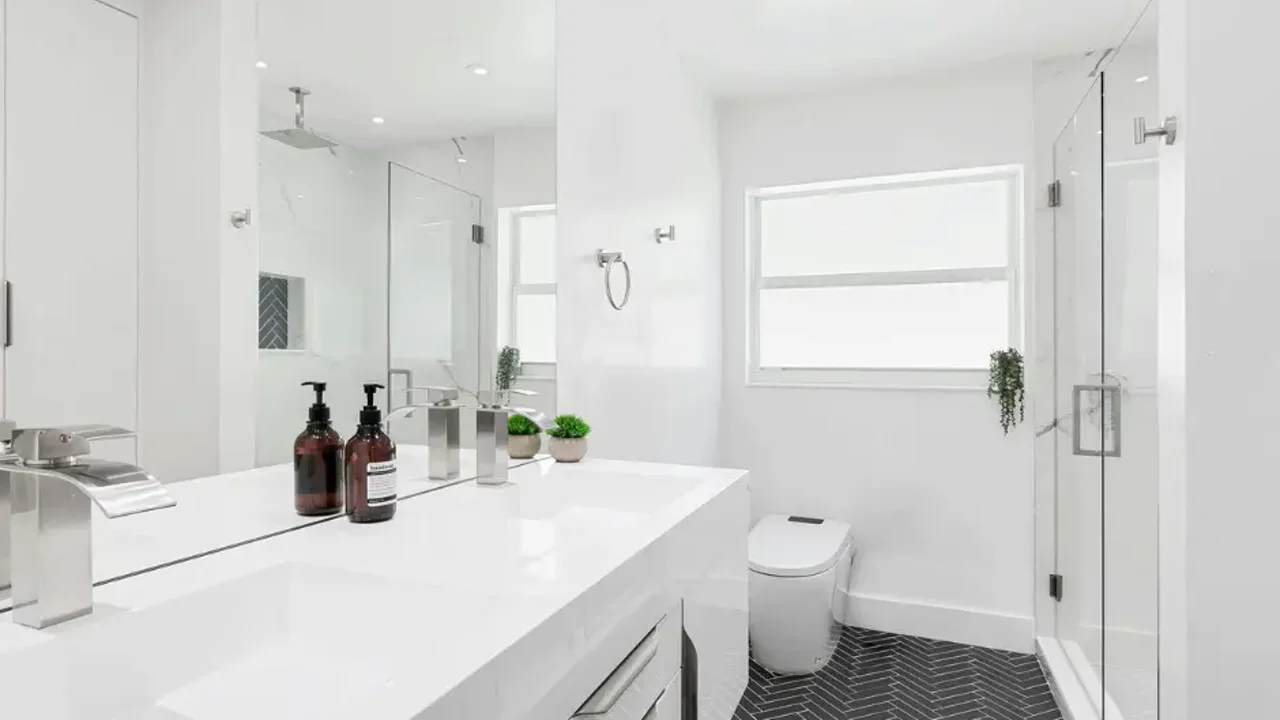
Tile is the oldest flooring material still in common use, and there’s a reason it’s lasted. Done properly, a tile floor outlives nearly everything else in the house. In a Vancouver, WA home it’s the right answer in specific rooms and the wrong answer in others, and knowing which is which saves a lot of money and regret.
Porcelain, ceramic, and stone
Porcelain is made from denser clay fired hotter, which produces a harder, less porous tile. It resists moisture, wear, and chipping better than standard ceramic, and much of it is through-body colored, meaning a chip doesn’t reveal a different color underneath. It’s the workhorse for floors, and it’s what we’d point most homeowners toward for anything that sees real traffic or water.
Ceramic is softer and more porous, easier to cut, and generally less expensive. It’s perfectly good for walls, backsplashes, and lower-traffic floors, but on a busy floor it will show wear sooner than porcelain.
Natural stone covers slate, travertine, marble, granite, and limestone. Every piece is genuinely unique, and no printed product replicates that depth. The trade-offs are real: stone is porous, so it needs sealing and periodic resealing, some varieties stain easily, and softer stones like marble and limestone scratch and etch. It’s the most beautiful and the highest-maintenance option in the category.
Where tile is the right call
Shower floors and surrounds. This is not a preference, it’s the correct material. Genuinely wet areas need a tile assembly with proper waterproofing behind it. No floating floor belongs in a shower.
Bathrooms generally, where water is routine and the floor needs to tolerate it indefinitely.
Entryways and mudrooms, which in Clark County take a beating. Wet boots, dripping coats, and tracked-in grit from October through May. Tile doesn’t care.
Laundry rooms, where an appliance failure is always a possibility and a waterproof floor with a drain-friendly surface is genuinely useful.
Kitchens, though with a caveat covered below.
Radiant heat installations, since tile conducts heat well and pairs naturally with in-floor heating.
Where tile is a harder sell
Kitchens, honestly, are a split decision. Tile handles kitchen spills and traffic beautifully. But it’s hard on your legs and back if you cook and stand for long stretches, and anything dropped on it breaks. Many homeowners who cook seriously end up preferring something with a little give. Our luxury vinyl tile guide covers the softer, warmer alternative that mimics the same look.
Living areas and bedrooms, where the cold and hardness work against comfort and there’s no moisture argument for it.
Basements, where tile can work but the slab has to be assessed carefully. Concrete moves, and rigid tile over a moving substrate cracks.
The cold problem is real here
Tile conducts heat away from your feet. In a climate with long cool wet seasons, that’s the most common complaint we hear about tile floors, and it’s most acute in bathrooms where you’re barefoot.
There are two good answers. Radiant floor heating underneath solves it completely and turns the biggest drawback into the biggest luxury, and it pairs better with tile than with any other flooring material. Or you accept it in small rooms with bath mats and choose a warmer material elsewhere. Our Pacific Northwest climate guide puts this alongside the other options.
Grout is the part people underestimate
The tile itself is nearly indestructible. Grout is where tile floors age.
Unsealed grout absorbs stains, and over a few years it discolors into a shade nobody chose. Sealed grout does much better, and resealing periodically keeps it that way. Grout color choice matters more than people expect: a light grout on a floor shows every bit of traffic, while a mid-tone hides life dramatically better. Narrower grout lines mean less grout to maintain, which is part of why large-format tile has become popular.
If you’re weighing a tile look but the grout maintenance is what’s stopping you, that’s precisely the gap LVT fills.
What installation actually involves
Tile is the most labor-intensive common flooring to install, and the part that determines success is invisible when it’s done.
The subfloor has to be flat and, critically, stiff. Tile is rigid and doesn’t tolerate movement. A floor that flexes underfoot will crack tiles and crack grout, and no amount of quality tile prevents it. Over a wood subfloor that usually means backer board or an appropriate underlayment, and sometimes structural reinforcement. In wet areas it means a waterproofing membrane.
Then tile is set in mortar and has to cure before it’s grouted, and grout has to cure before the floor is sealed and used normally. This sequence can’t be compressed. Plan for the room to be unavailable for several days, and be skeptical of anyone promising a one-day tile floor. Our tile installation guide goes through each step in detail, including the stricter rules for large-format tile.
Choosing tile that works underfoot
One spec worth asking about for floors is slip resistance, particularly in bathrooms and entryways where wet feet and wet boots are the norm. A polished stone or high-gloss tile that looks stunning dry can be genuinely hazardous wet. Textured surfaces and smaller tiles with more grout lines both provide more grip.
Size affects the look as much as the practicality. Large-format tile means fewer grout lines and a more expansive, contemporary feel. Smaller tile and mosaics give more grip and suit traditional spaces and shower floors where the surface needs to slope to a drain.
Come look at real samples
Tile and stone vary enormously piece to piece, and a single sample chip doesn’t tell you what a whole floor looks like, especially with natural stone. Seeing a full display and taking samples home to view in your own light is worth the trip.
We serve Vancouver, Camas, Washougal, Battle Ground, and communities throughout Clark County. See our tile flooring page for the range, or book a free estimate and we’ll help you figure out where tile belongs in your home and where something else serves you better.
Related reading
Frequently asked questions
- What's the difference between porcelain and ceramic tile?
- Porcelain is made from denser clay fired at higher temperatures, which makes it harder, less porous, and more resistant to moisture and wear than standard ceramic. Ceramic is softer, easier to cut, and typically less expensive. For floors, especially in wet areas and high-traffic spaces, porcelain is generally the more durable choice.
- Is tile a good choice for a Pacific Northwest home?
- It's excellent in the rooms that get genuinely wet. Tile is the right material for shower floors and surrounds, and it performs very well in entryways and mudrooms that see constant tracked-in rain. The main trade-offs are that it's cold underfoot and hard to stand on for long periods.
- Does tile flooring need to be sealed?
- The grout usually does, and natural stone almost always does. Porcelain and glazed ceramic tile bodies generally don't need sealing themselves. Unsealed grout absorbs stains and discolors over time, which is the most common reason a tile floor starts looking tired even when the tile itself is fine.
- Can tile be installed over a wood subfloor?
- Yes, with proper preparation. The subfloor has to be stiff enough that it doesn't flex, because movement under rigid tile causes cracked tiles and cracked grout. That usually means an underlayment or backer board and sometimes additional structural reinforcement. This assessment happens before installation, not during.
- How long does tile installation take?
- Longer than most other flooring types. Tile involves subfloor prep, setting the tile in mortar, waiting for it to cure, then grouting, then waiting again before sealing and normal use. It cannot be rushed without compromising the result, so plan for the room to be out of service for several days.