Office Flooring in Vancouver, WA: Carpet Tile vs. LVT, What It Costs, and Installing Without Closing the Office
November 25, 2026 · All About Floors NW
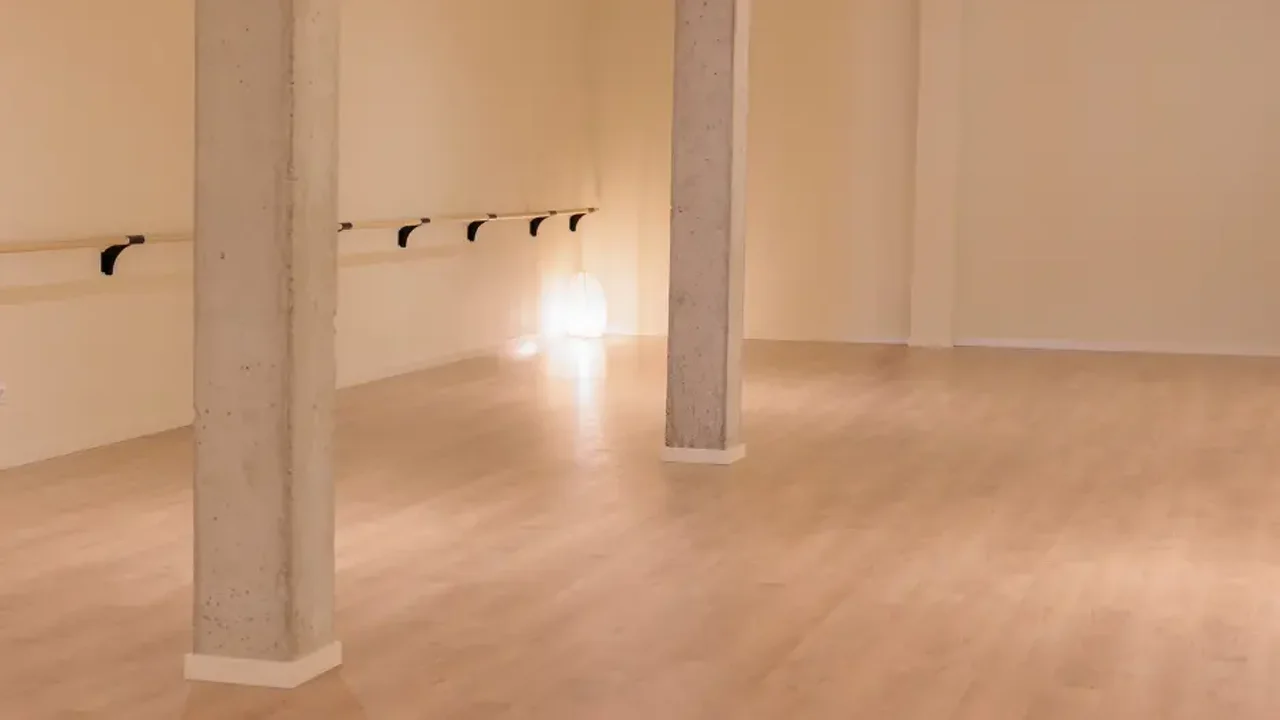
Searching for office flooring usually means one of two things. Either the office looks tired and you want it to look like a business people trust, or the carpet is wearing through in the aisles and something has to be done before the lease renewal or the next client visit. Either way, the hard part is less about picking a product and more about getting new floors in without losing a week of work.
This guide covers both. It is written for offices in Vancouver and the rest of Clark County, from a two-room suite in a strip center to a full floor in an east Vancouver office park, plus a short section for home offices at the end.
What goes in each part of an office
Very few offices should have one floor wall to wall. Each area gets used differently, and matching the floor to the use is what keeps the cost sensible and the space looking good for years.
| Area | What we usually recommend | Why |
|---|---|---|
| Reception and lobby | Commercial LVT, or porcelain tile | First impression, wet shoes, easy cleaning |
| Open work areas | Commercial carpet tile | Quiet, warm, replace a square instead of a room |
| Private offices | Carpet tile, or LVT with soft casters | Quiet for calls, comfortable |
| Conference rooms | Carpet tile, or a premium LVT or hardwood look | Acoustics, or appearance where clients sit |
| Hallways and corridors | Commercial LVT | Takes the heaviest traffic and carts |
| Break room and kitchenette | Commercial LVT or porcelain tile | Spills and daily mopping |
| Restrooms | Porcelain tile or sheet vinyl | Waterproof, few seams to clean |
| Copy, storage and server rooms | LVT | Heavy equipment, rolling loads |
| Fitness rooms, standing workstations | Rubber flooring | Cushions feet, absorbs impact and noise |
A common layout we put in: LVT from the front door through the reception, hallways and break room, carpet tile in the work areas and private offices, porcelain in the restrooms. You get a hard, cleanable path where the traffic and water are, and quiet where people sit.
Carpet tile vs. LVT for an office
Commercial carpet tile and commercial luxury vinyl tile (LVT) are the two floors that cover most office square footage. They solve different problems.
| Commercial carpet tile | Commercial LVT (glue-down) | |
|---|---|---|
| Noise | Best. Absorbs footsteps and voices | Louder, softened with an acoustic underlayment |
| Rolling chairs | Good with hard casters | Good with soft casters |
| Spills and water | Spot-clean, can stain | Wipes up, water-resistant |
| Repairs | Pull one square, drop in a spare | Replace individual planks or tiles |
| Cleaning | Vacuum, periodic extraction | Sweep and damp mop |
| Look | Patterns, solids, textures | Wood, stone and concrete looks |
| Comfort | Softer, warmer | Firm, cooler underfoot |
Carpet tile comes in squares or planks, usually 24 by 24 inches or long rectangles, installed with a releasable adhesive. Because each piece comes up on its own, a coffee stain or a worn spot by a desk is a ten-minute fix. Always keep a box of spares from the same production run, because a later run can be a slightly different shade.
Commercial LVT is the same idea as the luxury vinyl plank people put in homes, with a thicker wear layer rated for business traffic. In offices we usually recommend the glue-down version. A floating click floor can shift and open at the joints under constant rolling chairs and carts, and large open areas need expansion gaps and transitions a glue-down floor does not. Our luxury vinyl tile guide covers the product itself in more detail.
If you are torn, split it: LVT where people walk and spill, carpet tile where people sit and talk.
Rolling chairs, casters and chair mats
Office chairs do more damage to floors than foot traffic does. A chair rolling back and forth in the same spot all day wears a path into anything.
- Match the casters to the floor. Hard nylon casters are made for carpet. Soft urethane casters, often sold as “hard floor” casters, are made for LVT, laminate and hardwood. Swapping casters costs a few dollars per chair and is the cheapest floor protection there is.
- Chair mats on carpet keep the pile from crushing under heavy daily use. On LVT with the right casters, most offices skip them.
- Specify the wear layer. A residential plank in a busy office will show wear paths far sooner than a commercial product. Ask what wear layer the quote is for.
Noise in an open office
Hard floors in an open office bounce sound around the room. If your team is on the phone or on video calls all day, that matters.
Carpet tile is the quietest choice by a wide margin. Where you want the look of LVT, an acoustic underlayment under a glue-down product, plus carpet tile in the work areas, keeps a hard-floor reception from making the whole office echo. Conference rooms and private offices where people take calls are the first places to keep soft.
What is under the floor: concrete, glue and moisture
Most offices in Clark County sit on a concrete slab or a concrete upper floor. Before any glue-down floor goes in, the slab has to be flat, clean and dry enough for the adhesive.
Old carpet glue and pad. Many offices have been through two or three tenants. Under the current carpet you might find old adhesive, VCT, patched holes from walls that moved, or floor boxes from an old cubicle layout. All of it has to come up or be smoothed out, and that is prep labor the quote should list.
Leveling. A floor that looks flat often is not. LVT shows every dip and ridge in the slab. Low spots get filled with a leveling compound, and high spots get ground down.
Moisture. Concrete gives off moisture, and in our wet climate a slab on grade can give off more than an adhesive is rated for. Too much moisture breaks down the glue, and the floor lifts or curls. On a glue-down job we check the slab, and if it is above the adhesive’s limit, a moisture-mitigating primer or a different adhesive goes into the plan before the floor goes down.
Asbestos in older buildings. Old 9-by-9-inch floor tile and black mastic in buildings from before the 1980s can contain asbestos. It should be tested before anyone grinds or scrapes it, and covering it in place is often an option.
If you lease your office
Most offices in Vancouver are leased, and the lease and the building often have rules that affect the flooring job. Check these before you sign a quote:
- Landlord approval. Many leases require the landlord to approve finish changes, sometimes the product itself.
- Building hours and access. Ask whether after-hours work is allowed, who lets the crew in, and whether noisy work like grinding has set hours.
- Freight elevator and loading. Upper-floor offices usually need the freight elevator reserved for deliveries and debris.
- Certificate of insurance. Most property managers ask contractors for one before work starts. Tell us at the walkthrough so the paperwork does not hold up the start date.
- Who pays. At renewal, new flooring is often part of the tenant improvement allowance. Ask your landlord before paying for it yourself.
Installing without closing the office
Very few businesses can shut down for a week to get new floors. We schedule commercial installations for nights, weekends or in phased sections, so one area is closed while the rest keeps working. What makes that go smoothly:
- A phase plan. We walk the office with you and split it into sections that can each be done in a night or a weekend. Tell us which rooms can never be offline at the same time, where customers come in, and when your slow days are.
- A furniture and IT plan. Desks, files and equipment have to move for the floor to go down. Decide early who moves what, and have your IT person disconnect and reconnect workstations, phones and anything wired into a floor box.
- Cure and ventilation time. Leveling compound needs time to dry before the floor goes on, and some adhesives need time before heavy furniture comes back. We build that into the schedule.
- A punch list at the end. We walk the finished floor with you before the job is closed out.
A small suite is often a single weekend. A full floor is usually done in phases over several nights or weekends. Our installation page covers how our crews run a job.
What office flooring costs in Vancouver, WA
As a rough guide, installed prices per square foot:
- Commercial carpet tile: about $4 to $8.
- Commercial glue-down LVT: about $6 to $12.
- Porcelain tile (restrooms, break rooms): about $8 to $20.
- Rubber flooring: varies widely with thickness and whether it is rolled or tile.
What moves the number up or down:
- Removal and disposal of the old floor, especially stuck-down carpet and glue.
- Slab leveling and moisture treatment.
- After-hours and weekend labor.
- Moving furniture and equipment.
- Transitions between materials, and wall base. Most offices use rubber or vinyl cove base instead of wood trim.
- How many phases the job is split into.
Think in total cost, not just the price per square foot. A carpet tile you can spot-repair, or an LVT with a commercial wear layer, usually costs less over a 10-year lease than a cheaper floor that has to come out halfway through. Our flooring cost guide covers residential pricing if you are comparing.
What a good office flooring quote shows
Ask for a written quote that lists, for each area:
- The product and the square footage.
- Tear-out and disposal.
- Slab prep: leveling, moisture testing and treatment.
- Transitions and wall base.
- Furniture moving, if it is included.
- The schedule, including after-hours or phased work.
- The installation warranty and the manufacturer warranty.
All commercial installations we do come with our installation warranty, and manufacturer warranties apply to the commercial-grade products. Transitions between floors also matter for accessibility. Changes in floor height at a doorway should be small and beveled so a wheelchair, cart or walker crosses them easily.
Home offices
A lot of people searching for office flooring are working from a spare bedroom, not a suite. The same principles apply on a smaller scale:
- Luxury vinyl plank is the most popular home office floor. It handles a rolling chair with soft casters and does not mind a spilled coffee.
- Hardwood or engineered hardwood looks great on camera behind you. Use a chair mat or soft casters, because a rolling chair will mark it.
- Carpet keeps an upstairs office quiet for the rest of the house. Put a chair mat under the desk.
- Laminate is the budget wood look, with a mat under the chair.
For a home office we measure for free at your home. Book that through our free estimate page.
Talk to us about your office
All About Floors NW has been in business since 1999. Our showroom is at 6700 NE 152nd Ave #140 in east Vancouver, open Monday to Friday, 9 to 6, with commercial-grade carpet tile, LVT and porcelain samples you can take back to the office. See our commercial flooring and commercial flooring in Vancouver, WA pages. We also work with offices across the river in Portland.
Ready to price your office? Request a free estimate and we will walk the space with you, call (360) 525-2962, or text photos and a rough square footage any time.
Related reading
Frequently asked questions
- What is the best flooring for an office?
- For most offices it is commercial carpet tile in the work areas and private offices, and commercial luxury vinyl tile (LVT) in the reception, hallways, break room and anywhere water or rolling carts are a factor. Carpet tile is quieter and lets you replace a stained square. LVT cleans with a mop and handles chairs and grit. Porcelain tile is the usual choice for restrooms.
- How much does office flooring cost in Vancouver, WA?
- As a rough guide, installed commercial carpet tile runs about $4 to $8 per square foot and commercial glue-down LVT about $6 to $12. Porcelain tile in restrooms and break rooms runs higher. Removing the old floor, leveling the slab, after-hours labor and moving furniture are what move a quote up or down. A walkthrough of the space is the only way to get a firm number.
- Can you install office flooring after hours or on weekends?
- Yes. We schedule commercial installations for nights, weekends or in phased sections, so one area is closed while the rest of the office keeps working. Tell us at the walkthrough which rooms can never be offline at the same time and when your slow days are.
- Is carpet tile or LVT better with rolling office chairs?
- Both work if the casters match the floor. Hard nylon casters are made for carpet. Soft urethane casters are made for hard floors like LVT and will not scuff or wear paths the way hard casters can. Glue-down LVT holds up to constant rolling better than a floating click floor, which is why we usually recommend glue-down in offices.
- How long does it take to put new flooring in an office?
- A small suite is often a single weekend. Larger floors are usually done in phases over several nights or weekends. Old carpet glue, slab leveling, moisture problems and how much furniture has to move are what stretch the schedule. We give you a written schedule with the quote.
- Do you put flooring in home offices too?
- Yes. For a home office we usually suggest luxury vinyl plank, hardwood or engineered hardwood with a chair mat or soft casters, or carpet if the room is upstairs and you want it quiet. We measure for free in your home.