Hardwood Floor Stain Colors: Choosing Warm Wood Tones for Vancouver, WA Homes
September 6, 2026 · All About Floors NW
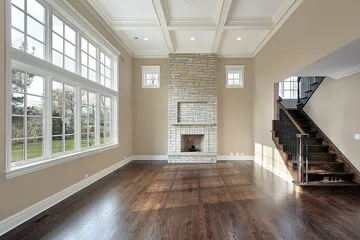
Sheen is the hardwood decision homeowners spend the least time on. Color is the one they agonize over, and for good reason: it is the thing you see from the front door for the next twenty years.
The search data tells us what people in Vancouver are looking for right now, and it is the word warm. After a long run of cool gray and washed-out greige, the floors going into Clark County homes in 2026 are warm again: natural white oak, honey, soft caramel, light-to-medium brown. This guide is about how to get there without ending up with a floor that looks orange, pink, or nothing like the sample.
Stain is a filter, not a paint
The first thing to understand is that stain does not cover wood. It tints it. Whatever the wood already is, the stain works with that, which is why the same can of stain looks different on every species.
- Red oak has a pink-to-salmon undertone and a strong, open grain. Warm stains look great on it; anything gray or “natural” tends to fight the pink and come out muddy.
- White oak is the neutral one. It has a faint olive-green undertone that cancels out red, which is exactly why it takes both warm and cool stains cleanly and why it has become the default species for new floors.
- Maple is pale and dense, and it absorbs stain unevenly. Dark stains blotch on maple. If you want maple, keep it light or natural.
- Hickory is naturally variegated, with cream and brown in the same board. Stain narrows that range but does not remove it.
If you are choosing new hardwood, pick the species for the color you want, not the other way around. Our guide to hardwood species and finishes in Vancouver covers the durability side of that decision.
The finish changes the color too
Stain is only half of the color. The clear finish that goes over it is the other half, and it is the part most homeowners never think about.
Oil-based polyurethane ambers. It adds a warm, honey cast the day it goes on, and it keeps yellowing slowly for years. On a warm stain that can be lovely. On a “natural” or light stain it turns the floor more orange than you chose.
Water-based finishes stay clear. The color you saw on the sample is the color you keep. If you want a pale, natural white oak look, water-based is the only way to hold it there.
This is why a floor “went orange” a few years after someone chose a natural finish. It was not the wood. It was the oil-based topcoat doing exactly what oil-based topcoats do.
Pacific Northwest light is cool, and it matters
Here is the part that is specific to Vancouver, WA.
For roughly eight months of the year, our daylight is overcast and north-leaning. Cloud cover scatters light and shifts it toward blue. That cool light makes gray floors look colder and flatter than they did in a showroom under warm LEDs, and it is a big part of why gray fell out of favor faster here than in sunnier markets.
Warm wood tones do the opposite. They push back against the gray outside and make a room feel lit even when the sky is not cooperating. Homes with big north-facing windows, which is a lot of Clark County, benefit most from a floor with real warmth in it.
Two practical consequences:
- Never choose a stain color from a sample under store lighting. Bring it home, or better, have the sample made on your floor.
- Look at it on a gray day. A color you love in July sun may look lifeless in January. The January version is the one you will live with more.
The warm palette, from lightest to darkest
Most of what we are installing and refinishing right now falls in one of four bands.
Natural / clear. No stain at all, or a very light “natural” toner, over white oak with a water-based matte finish. This is the Scandinavian-leaning look: pale, calm, and the most forgiving of dust and scratches. It shows the most grain variation, which is either the point or the problem depending on your taste.
Light warm neutrals. Think soft wheat, sand, and light honey. These add a touch of warmth without going yellow, and they suit homes with white or light cabinets. This is the most popular band in Vancouver right now.
Medium browns. Caramel, chestnut, and the classic “provincial” family. Warm but grounded, they pair with almost any cabinet color and hide dirt better than anything lighter. If you have kids, dogs, and a mudroom that opens straight onto the floor, this band is the safe choice.
Deep browns. Walnut tones and rich coffee browns. Dramatic and elegant, but they show dust, pet hair and every scratch, and they make a north-facing room feel smaller. Beautiful in the right house; a commitment.
What is largely gone: cool gray, heavy whitewash, and true black espresso. All three now date a home.
The engineered and prefinished question
If you are installing new hardwood flooring rather than refinishing, the color decision is different: you are choosing a factory finish, not mixing a stain.
The upside is consistency. Factory finishes are applied under controlled conditions and often include UV-cured coatings that are tougher than anything applied on site. The downside is that you get the colors the manufacturer offers, in the sheen they offer.
Site-finished floors flip that. You can hit any color, tune the sheen, and the whole floor is sealed as one piece with no micro-bevels between boards. It takes longer and costs more, and the result depends on the finisher.
For most Vancouver homes, prefinished engineered in a warm natural or light neutral is the practical answer. The engineered vs. solid decision comes first, then color.
Matching cabinets, trim and furniture
The mistake we see most often is matching the floor too closely to the cabinets. When the floor and the kitchen island are the same color, they merge into one block and the room loses definition.
Aim for contrast in value, not just hue:
- Light or white cabinets: a medium warm floor gives the room a base.
- Dark cabinets: go lighter on the floor so the kitchen does not close in.
- Wood cabinets: match the warmth but not the color. A honey oak cabinet over a honey oak floor is the 1990s. A honey oak cabinet over a light natural white oak floor is 2026.
Trim, doors and stair parts are easier: match them to the floor or paint them. Half-matched wood tones look accidental.
How we actually choose color with you
If we are refinishing, the process looks like this. We sand a test area, apply two or three candidate stains side by side on your actual boards, and let you see them dry, in your light, over a couple of days if you want them. Then we seal the sample with the finish you have chosen so you see the real end result, amber cast and all. You sign off before we stain the room.
If we are installing prefinished, we bring full-size samples to your home during the free in-home estimate, because a three-inch chip tells you almost nothing about how a floor reads across a room.
Either way, the goal is the same: no surprises on the day the furniture goes back.
Related reading
- Matte, satin or semi-gloss: choosing a hardwood sheen
- Hardwood species and finishes for Vancouver homes
- Hardwood refinishing in Vancouver: process, cost and timeline
- Wide plank and herringbone: choosing a floor layout
- Hardwood floor installation in Vancouver, WA: methods, prep and timeline
Ready to see real colors on your real floor? Book a free in-home estimate or ask about a stain test as part of a hardwood refinishing quote.
Frequently asked questions
- What is the most popular hardwood floor color right now?
- Warm, natural mid-tones. After a decade of gray and cool greige, most of the floors we install or refinish in Vancouver, WA now land somewhere between a natural white oak and a light-to-medium warm brown. Very dark espresso and very cool gray have both fallen off sharply.
- Can you change the color of my existing hardwood floors?
- Yes, if the floor is solid hardwood or engineered with a thick enough wear layer to sand. Refinishing takes the floor to bare wood, and the stain goes on fresh. We test stain samples on your actual floor, in your light, before committing to the whole room.
- Why does the same stain look different on my floor than in the store?
- Three reasons: the species of wood underneath, the finish that goes over the stain, and the light in your room. Red oak pulls stain pink, maple takes it unevenly, and an oil-based finish adds an amber cast that a water-based finish does not. The only reliable test is a sample on your own boards.
- Are warm wood floors better than gray for resale?
- In the current Vancouver market, yes. Warm natural tones read as timeless and pair with more cabinet and paint colors. Gray floors now date a home to a specific period, which is exactly what buyers notice.