Hardwood Floor Restoration in Vancouver, WA: Sanding Old and Neglected Floors Back to Life
October 12, 2026 · All About Floors NW
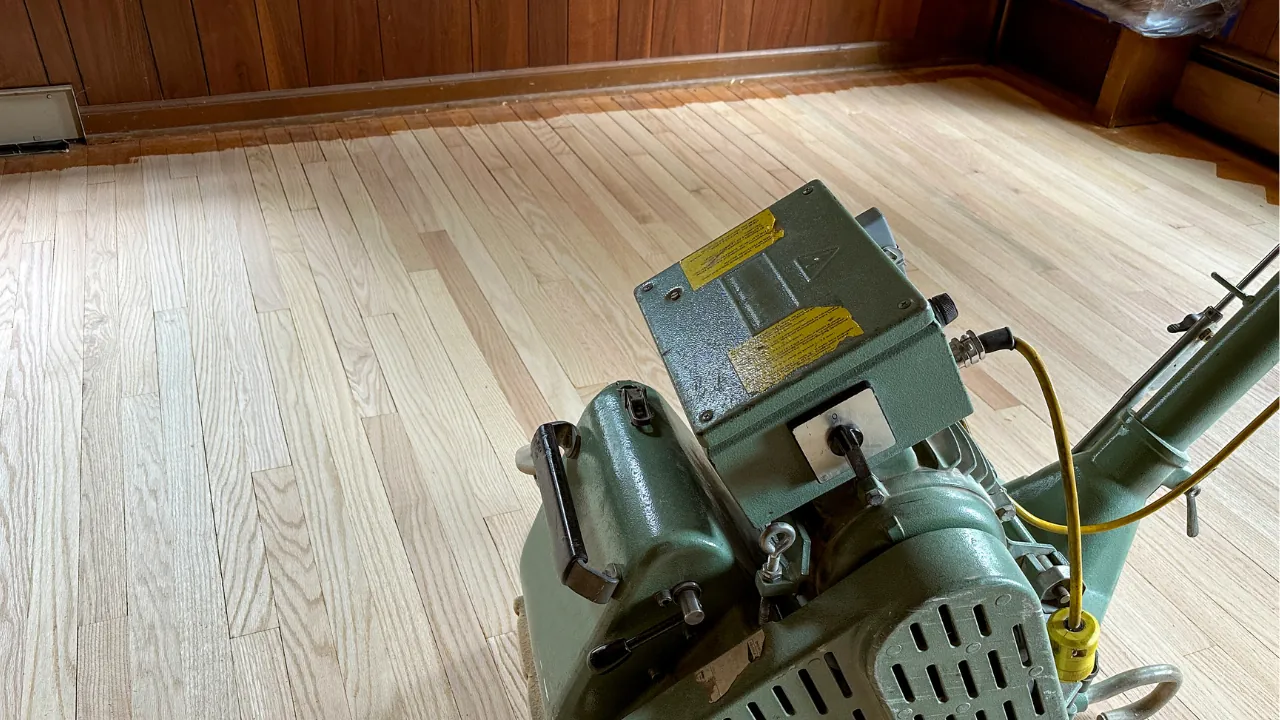
Some of the best hardwood floors in Vancouver are hidden. They’re under wall-to-wall carpet laid in the 1970s, under a gray, worn-through finish in a rental, or under years of pet damage in a house that just changed hands. Neighborhoods like Hough, Arnada, Shumway, Rose Village and Hazel Dell, and older houses all over Portland across the river, are full of original oak and old-growth fir that still has decades of life left.
Restoring a floor like that is different from refreshing a floor that has been cared for. There’s more to remove, more to repair and more to decide. This guide covers what restoration involves, what sanding can and cannot fix, and how to tell whether your floor is a good candidate.
Restoration, resurfacing and refinishing
You will hear all three words, and they are mostly the same job.
- Refinishing, resurfacing, or sand and refinish: sanding the floor to bare wood, optionally staining it, and applying new finish coats. It removes scratches, wear patterns, and the old yellowed or worn-through finish.
- Restoration: the same sanding and finishing, on a floor that also needs real work first. That means pulling staples and tack strip, removing old pad or glue, addressing stains and gaps, and replacing boards that cannot be saved.
- Recoat (screen and recoat): lightly abrading the existing finish and adding a fresh coat on top, without sanding into the wood. It refreshes a dull floor whose finish is intact, but it does not remove scratches in the wood, stains or color. A neglected floor almost always needs more than this.
Our hardwood refinishing guide covers the standard process. This guide is about the floors that need more.
First question: is there enough wood left?
Solid hardwood can be sanded several times over its life, because each full sanding takes off only a thin layer. What limits it is the wood above the tongue. Once that gets thin, sanding exposes nail heads and the tongue itself, and the floor is done.
To check, pull a floor register and look at the edge of a board, or look at a threshold where the board ends. Our guide to refinishing or replacing hardwood walks through the test step by step.
Two other things to know:
- Engineered hardwood can be sanded only if its top layer is thick enough. Many thinner engineered floors can be sanded once lightly or not at all.
- Prefinished floors with beveled edges can be sanded, but the small V-grooves between boards keep their old finish and collect the new finish unevenly. It’s worth seeing a sample area before committing.
Floors found under carpet
This is the most common restoration we see in older Clark County homes, and usually the most rewarding. Carpet protected the wood from sun and wear for decades, so the field of the floor is often in surprisingly good shape.
What to expect when the carpet comes up:
- Tack strip around every wall, nailed into the floor. Removing it leaves small holes along the edges that get filled.
- Thousands of staples from the pad. Every one has to come out before sanding, or it will tear the sandpaper and gouge the wood.
- Pad residue, especially old rubber or foam pads that broke down and stuck to the finish. Sanding takes it off, but it loads up the paper and adds time.
- Paint drips at the walls from decades of repainting over carpet.
- Patches and old repairs: a heat register moved, a wall taken out, a patch of plywood where someone ran plumbing. These need matching wood woven in.
Old-growth fir: a Pacific Northwest special
Many older Vancouver and Portland homes have Douglas fir floors, often vertical-grain fir milled from old-growth trees. It has tight, straight grain and a warm color that turns honey-orange with age, and it is part of what makes these houses what they are.
Fir is also softer than oak. It dents more easily, and it shows the history of the house: furniture marks, dog tracks and the odd hammer drop. Restoration takes a lot of that out, but a fir floor will never look like brand-new oak. Most owners of older homes would not want it to.
Two practical notes for fir:
- It blotches easily when stained. Fir takes stain unevenly, so many fir floors look best with a clear finish. If you want color, test it on your floor first.
- The finish matters more on a softer wood. Choose a durable finish and a lower sheen to hide marks.
Stains: what sands out and what does not
Gray and light stains. These are usually in the finish or the top layer of wood, from water sitting on a worn-through finish. They often sand out completely.
Black stains. Dark black rings and patches, around plants, at the dishwasher, by a back door or where a pet had accidents, mean water or urine got deep into the wood and reacted with it. They rarely sand out. Chasing them with the sander just creates a dip in the floor.
The usual fix is to replace the affected boards with matching wood, woven in so the joints stagger like the original floor, before the whole floor is sanded and finished. Done that way, the new boards disappear into the restored floor. Pet stains can also leave an odor in the wood, which is another reason replacing those boards beats trying to bleach them.
Gaps, cupping and squeaks
Gaps. In a Clark County home, boards shrink in winter when forced-air heat dries the house, and swell again in the long damp season. Small gaps that come and go are normal. Filling them can push the boards apart when they swell. Gaps that stay open all year can be filled, and wide ones can be repaired with slivers of matching wood glued into the gap.
Cupping. When the edges of boards sit higher than the centers, moisture is coming from below. That is usually from the crawlspace, which most older Vancouver houses sit over. Fix the moisture first. That often means a proper vapor barrier on the crawlspace floor and good ventilation. Then give the floor time to flatten. Sanding a cupped floor before the moisture is fixed leaves the board centers high once the boards dry out, a problem called crowning.
Squeaks and loose boards. These are fixed while the floor is exposed and before sanding, usually by refastening boards from above or below.
The sanding itself
A restoration sand is done in stages:
- Coarse grit to cut through the old finish, residue and wear patterns, and to flatten the floor.
- Medium and fine grits to remove the scratches left by the coarse paper.
- Edging along walls and in corners, where the large sander cannot reach.
- Hand scraping in corners, along stair nosings and around door casings.
- A final buff that blends the field and edges so they take finish evenly.
Modern dust-containment sanders capture most of the dust. It is not dust-free, but it is a world away from refinishing a generation ago.
Choosing the finish
Water-based polyurethane dries clear, stays close to the natural color of the wood, has low odor, and dries fast enough for multiple coats in a day. It suits light, natural and Scandinavian looks and keeps white oak from turning yellow.
Oil-based polyurethane adds a warm amber tone that deepens over time. It is a traditional look on fir and red oak, but it has a strong odor and takes longer between coats.
Then choose the sheen. Matte and satin hide scratches, dust and the character marks of an old floor far better than semi-gloss. See choosing a hardwood floor sheen. If you’re changing color, hardwood floor staining explains how stain is applied and tested, and warm stain colors covers the tones that suit Pacific Northwest light.
Timeline and living through it
Most restorations take three to five days, depending on square footage, how much repair the floor needs, whether you’re staining, and the finish. Plan on:
- Furniture out of the rooms being done
- Staying off the floor while it is sanded and coated
- Walking in socks about 24 hours after the last coat
- Keeping pets off for 48 to 72 hours
- Waiting five to seven days before moving heavy furniture back or putting rugs down, while the finish cures
Then protect what you just restored. Put felt pads on every chair and table leg, mats at exterior doors, and clean with a barely damp mop. Our hardwood cleaning and maintenance guide covers the routine.
When restoration is not the answer
We will tell you if your floor is not worth restoring. These are the usual reasons:
- The wood above the tongue is too thin to sand again
- Widespread black water damage or rot, or a subfloor that is failing
- Engineered flooring with a top layer that cannot be sanded
- The room is a kitchen, laundry or bathroom that will keep seeing water
In those cases, new hardwood, engineered hardwood or waterproof LVP can go in instead, and we can match or coordinate with any restored floors in the rest of the house.
Hardwood restoration from All About Floors NW
We have been sanding, finishing and installing hardwood in Clark County since 1999. That includes floors found under carpet, old-growth fir in older Vancouver and Portland homes, and damaged boards replaced as part of the refinish. Because we sell and install new floors too, we have no reason to talk you into either path.
- A free in-home look at the floor, with a thickness check and an honest answer on whether it is worth restoring.
- Stain samples on your own floor before the color is chosen.
- A written quote that separates sanding, repairs, stain and finish, plus a written workmanship warranty.
Learn more on our hardwood refinishing page. We restore floors in Camas, Battle Ground, Ridgefield, Hazel Dell, Salmon Creek, Washougal, Portland and Gresham, as well as throughout Vancouver.
Book a free in-home estimate, or text a few photos of the floor, including any stains and a board edge if you can see one, to (360) 525-2962.
Related reading
Frequently asked questions
- What is the difference between hardwood restoration, resurfacing and refinishing?
- They are mostly different names for the same job. Resurfacing and sand-and-refinish both mean sanding the floor down to bare wood and applying new finish, with stain if you want a color change. Restoration usually means the same thing on an older or neglected floor, plus the extra work it needs: removing carpet staples and glue, dealing with stains and gaps, and replacing a few damaged boards.
- Can hardwood found under old carpet be restored?
- Usually, if it is solid hardwood with enough wood left above the tongue. Floors that spent decades under carpet are often in better shape than people expect, because the carpet protected them from sun and wear. Staple holes, tack strip holes along the walls and pad residue are normal and are dealt with during restoration.
- Will sanding remove water stains and pet stains?
- Gray or light stains are usually in the finish or the top of the wood and often sand out. Black stains mean water or urine soaked deep into the wood and reacted with it, and they rarely sand out completely. The usual fix is to replace those boards with matching wood, woven in with the floor around them, before the whole floor is sanded and finished.
- How many times can a hardwood floor be sanded?
- A standard 3/4-inch solid hardwood floor can typically be sanded several times over its life, because sanding takes off only a thin layer each time. The limit is the wood above the tongue. Once that gets thin, nail heads and the tongue start to show. Engineered hardwood can be sanded only if its top layer is thick enough, and some products cannot be sanded at all.
- How long does a hardwood restoration take?
- Most projects take three to five days depending on square footage, repairs, whether you are staining and the finish system. You can usually walk on the floor in socks about 24 hours after the last coat. Keep pets off for 48 to 72 hours and wait five to seven days before moving heavy furniture back and putting down rugs.
- Should I fill the gaps between my floorboards?
- Only if they stay open all year. In a Vancouver home, small gaps that open in winter when the heat is running and close again in the damp months are seasonal movement, and filling them can cause problems when the boards swell. Permanent gaps from shrinkage or an old install can be filled or, if wide, repaired with wood slivers.